
Factors ID’d That Increase Risk for Mechanical Ventilation With Sepsis
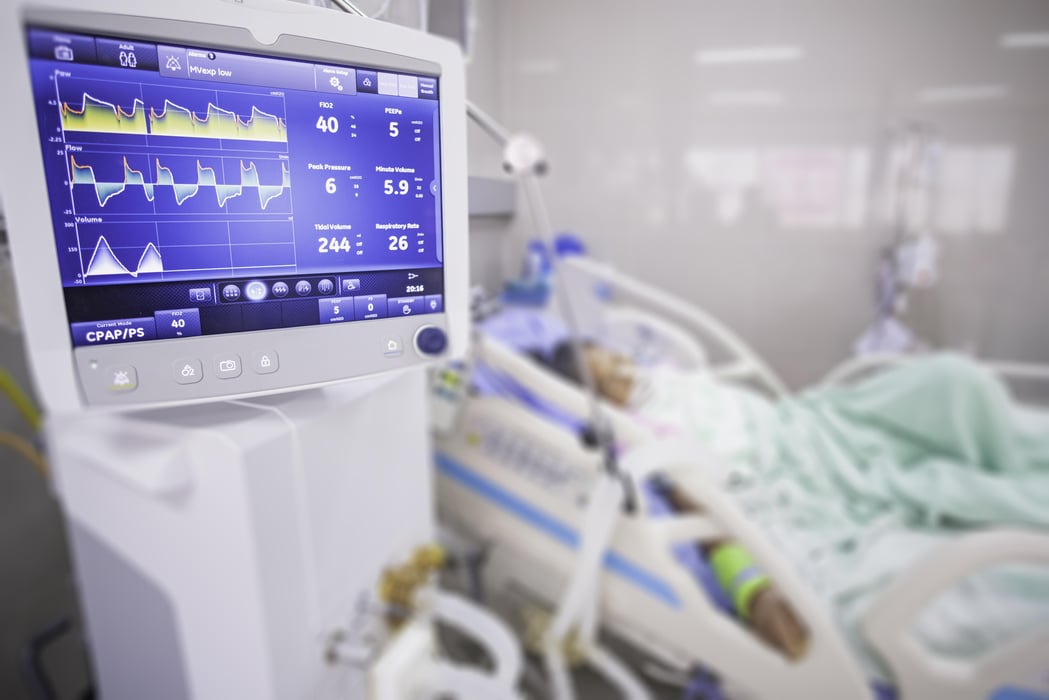
FRIDAY, Sept. 1, 2023 (HealthDay News) -- Certain factors may independently increase the risk for mechanical ventilation following a sepsis diagnosis, according to a study published online Sept. 1 in the American Journal of Critical Care.
Robert E. Freundlich, M.D., from Vanderbilt University Medical Center in Nashville, Tennessee, and colleagues used electronic health record data from 28,747 patients with sepsis to model risk factors for initiation of mechanical ventilation after the onset of sepsis.
The researchers found that mechanical ventilation was initiated within 30 days after sepsis onset in 13.5 percent of patients, with 52.6 percent requiring mechanical ventilation within 24 hours of diagnosis. Race (White: adjusted hazard ratio [aHR], 1.59; other/unknown: adjusted HR, 1.97), systemic inflammatory response syndrome (aHR [per point], 1.23), Sequential Organ Failure Assessment score (aHR [per point], 1.28), and congestive heart failure (aHR, 1.30) were independently associated with an increased likelihood of receipt of mechanical ventilation. Risk varied with time after sepsis onset and by comorbidities.
“Through a better understanding of risk factors for initiation of mechanical ventilation in patients with sepsis, targeted interventions may be tailored to high-risk patients,” the authors write.
Freundlich reports ties to Medtronic, a medical device company.
Related Posts
La tasa de vacunación contra la COVID-19 del Ejército de EE. UU. se acerca a un 98 por ciento
JUEVES, 16 de diciembre de 2021 (HealthDay News) -- Casi un 98 por ciento de los...
How to Recover From Burnout
MONDAY, Feb. 27, 2023 (HealthDay News) -- Work isn’t always easy, but sometimes...
AHA News: Supera el calor con alimentos hidratantes este verano
MARTES, 20 de junio de 2023 (American Heart Association News) -- Mantenerte...
Survey Finds Who’s Most Likely to Give to Charity and How
WEDNESDAY, Oct. 13, 2021 (HealthDay News) -- Older adults are more likely than...