
Extremely Low Incidence of COVID Hospitalization After Vaccine, Boosters: Study
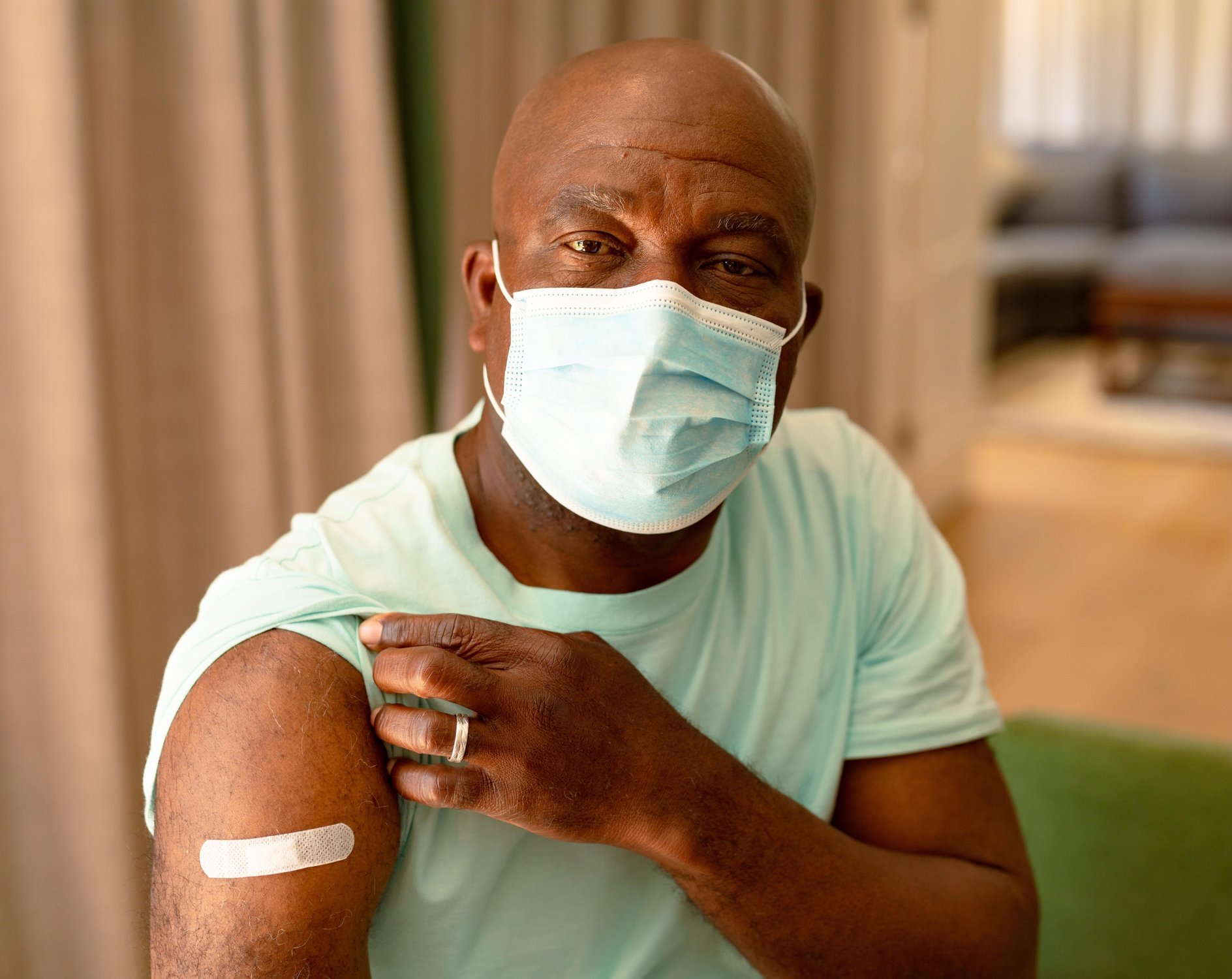
FRIDAY, Oct. 7, 2022 (HealthDay News) -- Getting vaccinated and boosted greatly reduces the odds for hospitalization if you get infected with COVID-19, according to a large new study conducted at U.S. Veterans Health Administration facilities.
"This is remarkable, good news about the power and effectiveness of receiving COVID-19 boosting for all groups," said co-author Dr. Dawn Bravata, a research scientist at the Regenstrief Institute and the Roudebush VA Medical Center, both in Indianapolis.
The study looked at records of 1.6 million patients at VA facilities nationwide. Bravata's team found what they described as a surprisingly low rate of hospitalization for COVID, especially among those under age 65 with no high-risk conditions.
Those vaccinated folks who wound up in the hospital were almost all at high risk, a category that includes older people and adults of all ages who are immunocompromised or have certain health issues.
The rate of new hospitalizations for COVID pneumonia or death was 8.9 for every 10,000 people who had been vaccinated and boosted. The rate for those with certain health issues was 10 times higher, but researchers said that was still considered low.
To avoid misclassifying death or serious outcomes, researchers looked for cases of breakthrough COVID, COVID pneumonia and death instead of only including patients who had a positive COVID-19 lab test.
"Early in the pandemic, many researchers, including our own group, published studies about COVID-19 hospitalizations," Bravata said in a Regenstrief news release. "But we're in a different era now when patients who are admitted to the hospital with a non-COVID illness are screened; some of whom will test positive. Evaluating outcomes such as COVID-19 pneumonia or [death rates] -- as opposed to simply considering all hospitalization -- makes more sense."
Grants from the VA and the U.S. National Institute of Allergy and Infectious Diseases supported the study.
"These results, from a period of Delta and Omicron predominance, should encourage people to get vaccinated and boosted," said Bravata, who is also a professor of medicine at Indiana University School of Medicine.
The findings were recently published in the Journal of the American Medical Association.
More information
The U.S. Centers for Disease Control and Prevention has more on COVID-19 boosters.
SOURCE: Regenstrief Institute, news release, Oct. 6, 2022
Related Posts
FDA Updates Guidance on ‘Morning After’ Pill, Making Clear It Does Not Cause Abortions
FRIDAY, Dec. 23, 2022 (HealthDay News) -- For many years, Plan B One-Step and...
Telemedicine Success Tied to Patient Outcomes in Thoracic Cancer
MONDAY, July 11, 2022 (HealthDay News) -- Telemedicine access is lower among...
Omicron Resists Pfizer Vaccine But Causes Less Severe Disease: Study
TUESDAY, Dec. 14, 2021 (HealthDay News) -- Compared to previous coronavirus...
Dispensing Meds in Emergency Department Likely to Improve Adherence
THURSDAY, June 1, 2023 (HealthDay News) -- For pediatric patients, dispensation...