
EPA Plans New Strategy Against Toxic ‘Forever Chemicals’
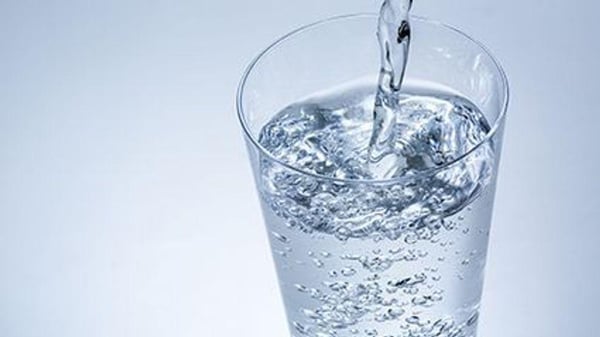
MONDAY, Oct. 18, 2021 (HealthDay News) -- A new plan to limit pollution from so-called "forever chemicals" will include restricting their release into the environment and speeding cleanup of contaminated sites, the U.S. Environmental Protection Agency announced Monday.
The chemicals, called PFAS (per- and polyfluoroalkyl substances), are used in products ranging from cookware to carpets to firefighting foam. They are increasingly showing up in public drinking water systems, private wells, and foods and are associated with serious health problems such as cancer and reduced birth weight.
"For far too long, families across America -- especially those in underserved communities -- have suffered from PFAS in their water, their air, or in the land their children play on," EPA Administrator Michael Regan said in an agency news release. "This comprehensive, national PFAS strategy will deliver protections to people who are hurting, by advancing bold and concrete actions that address the full life cycle of these chemicals. Let there be no doubt that EPA is listening, we have your back, and we are laser-focused on protecting people from pollution and holding polluters accountable."
The plan will also boost spending on research to find out where PFAS are found and how to prevent their spread. "We're going to use every tool in our toolbox to restrict human exposure to these toxic chemicals," Regan told the Associated Press.
The EPA will set strict drinking water limits for PFAS under the Safe Drinking Water Act and will require PFAS manufacturers to divulge the level of toxicity of their products. PFAS will also be designated as hazardous substances under the Superfund law that allows the EPA to compel companies that cause contamination to foot the bill for cleanup work or to do it themselves. The measures will make it easier for the EPA to ensure that PFAS cleanups are conducted safely and that "the polluter pays for that," Regan told the AP.
Congress is currently considering legislation to create a national drinking water standard for certain PFAS and to clean up contaminated sites nationwide, including military bases where high levels of the chemicals have been found, the AP reported.
Related Posts
White House May Soon Offer ‘High-Quality’ Masks to Americans
THURSDAY, Jan. 13, 2022 (HealthDay News) -- A program to offer high-quality face...
Deep Brain Stimulation Offers Hope Against Severe OCD
THURSDAY, Sept. 22, 2022 (HealthDay News) -- When traditional treatments fail to...
STD Cases Soar in US Amid Calls for Better Prevention Efforts
TUESDAY, Sept. 20, 2022 (HealthDay News) – Soaring numbers of sexually...
Health Highlights: June 13, 2022
For some 911 calls, are mental health specialists the better choice? One...