
Emergency Department Screening Program Can ID Undiagnosed Prediabetes, T2DM
THURSDAY, Jan. 26, 2023 (HealthDay News) -- An emergency department type 2 diabetes (T2D) screening program can identify patients with undiagnosed prediabetes and diabetes, according to a research letter published online Jan. 26 in JAMA Network Open.
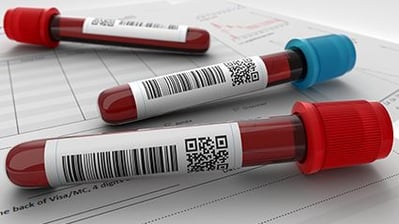
Kirstie K. Danielson, Ph.D., from the University of Illinois Chicago, and colleagues developed and piloted an emergency department T2D screening program. Patients at risk for T2D were flagged with a best practice alert (BPA), which was built into the electronic medical record. If blood was drawn, the clinician had the option to add hemoglobin A1c (HbA1c) measurement. Patients were called to provide results and inquire about prior awareness and treatment of diabetes.
Overall, 8,441 patients visited the emergency department during the pilot study; the BPA triggered tests for 2,576 patients and an HbA1c result was available for 2,074 of these. A total of 1,085 patients with an HbA1c result (52.3 percent) had an abnormal reading: 69.9 and 30.1 percent had prediabetes and diabetes, respectively. A total of 352 patients were contacted by telephone and constituted the study sample. The researchers found that 50.0 percent of the patients had public insurance and 4.0 percent were uninsured. Overall, 25.0 percent of the patients self-reported that they had been diagnosed with prediabetes or T2D; only 58.0 percent of these reported receiving treatment.
"Our emergency department screening program identified a substantial number of patients with undiagnosed prediabetes and T2D or undermanaged disease, particularly racial and ethnic minority individuals and low-income patients," the authors write.
Several authors disclosed financial ties to Novo Nordisk A/S, which funded the study.
Related Posts
Researchers Identify Genes That Influence What You Eat
MONDAY, July 24, 2023 (HealthDay News) -- You’ve likely heard that "you are what...
Gastric Mapping Device Used to Study Gastric Dysfunction
FRIDAY, Sept. 30, 2022 (HealthDay News) -- Two groups of patients with chronic...
What Do Bans on Abortion Mean for People Using IVF?
WEDNESDAY, July 13, 2022 (HealthDay News) -- The U.S. Supreme Court ruling that...
Exercising Your Way to Better Sex
Sex is an undeniably rewarding form of exercise. But if it's the only type of...