
Early Ear, Upper Respiratory Markers Linked to Autism Traits
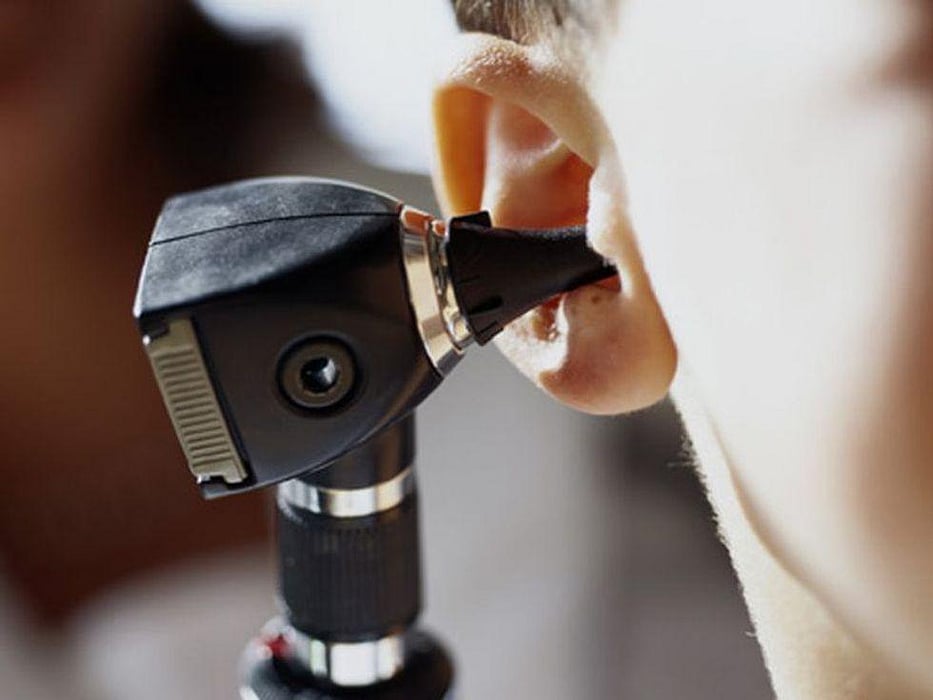
TUESDAY, April 25, 2023 (HealthDay News) -- Common early ear and upper respiratory markers are associated with high levels of autistic traits, according to a study published online April 24 in BMJ Open.
Amanda Hall, Ph.D., from Aston University in Birmingham, England, and colleagues examined whether early ear and upper respiratory signs are associated with development of high levels of autistic traits of autism in a study following more than 10,000 young children from the city of Bristol in Southwest England throughout their first four years. Three questionnaires were completed between 18 and 42 months and recorded the frequency of nine different signs and symptoms.
The researchers found associations for early evidence of mouth breathing, snoring, pulling/poking ears, ears going red, hearing worse during a cold, and rarely listening with high scores on each autism trait and a diagnosis of autism. Evidence was also seen for associations of pus or sticky mucus discharge from ears, especially with autism and poor coherent speech. The results changed little with adjustment for 10 environmental characteristics. More adjusted associations were significant than expected by chance; for example, the adjusted odds ratios for autism at 30 months were 3.29 and 2.18 for discharge of pus or sticky mucus from ears and for impaired hearing during a cold, respectively.
"These results may indicate disruptions in early auditory perception and processing in the early stages of autism," the authors write.
Related Posts
Had a Kidney Stone? This Diet May Help Prevent Another
TUESDAY, Aug. 2, 2022 (HealthDay News) -- Anyone who has ever had a kidney stone...
Health Highlights: May 10, 2022
After sweeping review, CDC looks to rebuild public trust. Recent shakeups paint...
Maternal Epilepsy Does Not Affect Infant Neurodevelopmental Outcomes
FRIDAY, Aug. 11, 2023 (HealthDay News) -- Children with and without fetal...