
Dietary Nitrate Intake Linked to Lower Risk for AMD Progression
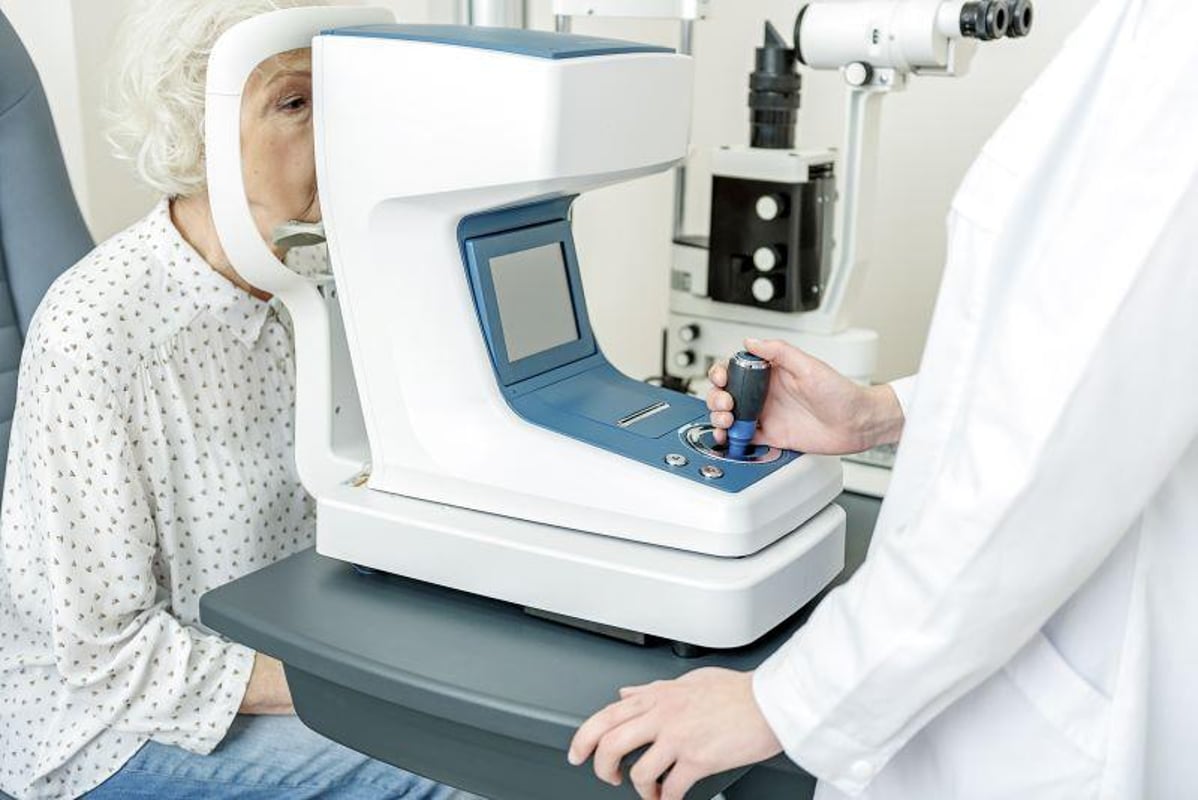
WEDNESDAY, Dec. 28, 2022 (HealthDay News) -- Dietary nitrate intake is associated with a lower risk for progression of age-related macular degeneration (AMD), according to a study published online Dec. 22 in JAMA Ophthalmology.
Geoffrey K. Broadhead, M.D., Ph.D., from the National Eye Institute at the National Institutes of Health in Bethesda, Maryland, and colleagues examined the association between dietary nitrate intake and AMD progression using data from the prospective Age-Related Eye Disease Study (AREDS) and AREDS2 randomized clinical trial cohorts and extended follow-up studies. Data were included for 7,788 participants in the combined AREDS/AREDS2 cohort, with 13,511 eligible eyes.
The researchers found that in the combined AREDS/AREDS2 cohort, dietary nitrate intake was associated with a reduced risk for progression to late AMD (hazard ratio, 0.77 for quartile 4 versus 1 of intake); the risks for geographic atrophy (GA) and neovascular AMD (nAMD) were also reduced (hazard ratios, 0.71 and 0.85, respectively). Increased nitrate intake (quartile 4 versus 1) was associated with a reduced risk for late AMD and GA (hazard ratios, 0.77 and 0.80, respectively), but not with nAMD in AREDS; no association between nitrate intake and late AMD or nAMD was seen in AREDS2. An association was noted between Mediterranean dietary patterns and dietary nitrate intake.
"These results are from post hoc analyses and are therefore hypothesis-generating in nature," the authors write. "Much of the outcome associated with nitrate intake can be attributed to plant-based dietary patterns in general, such as a Mediterranean diet."
Abstract/Full Text (subscription or payment may be required)
Editorial (subscription or payment may be required)
Related Posts
AHA News: At 31, a Stroke Immobilized His Right Side. Now He’s a Competitive Bodybuilder.
FRIDAY, Oct. 29, 2021 (American Heart Association News) -- His headaches were...
Increasing Impact of HPV Vaccination Seen in the United States
TUESDAY, May 17, 2022 (HealthDay News) -- The impact of human papillomavirus...
ADA Updates Standards of Medical Care in Diabetes for 2022
TUESDAY, Jan. 11, 2022 (HealthDay News) -- The Standards of Medical Care in...