
Dietary ALA Intake Tied to Prognosis in Heart Failure
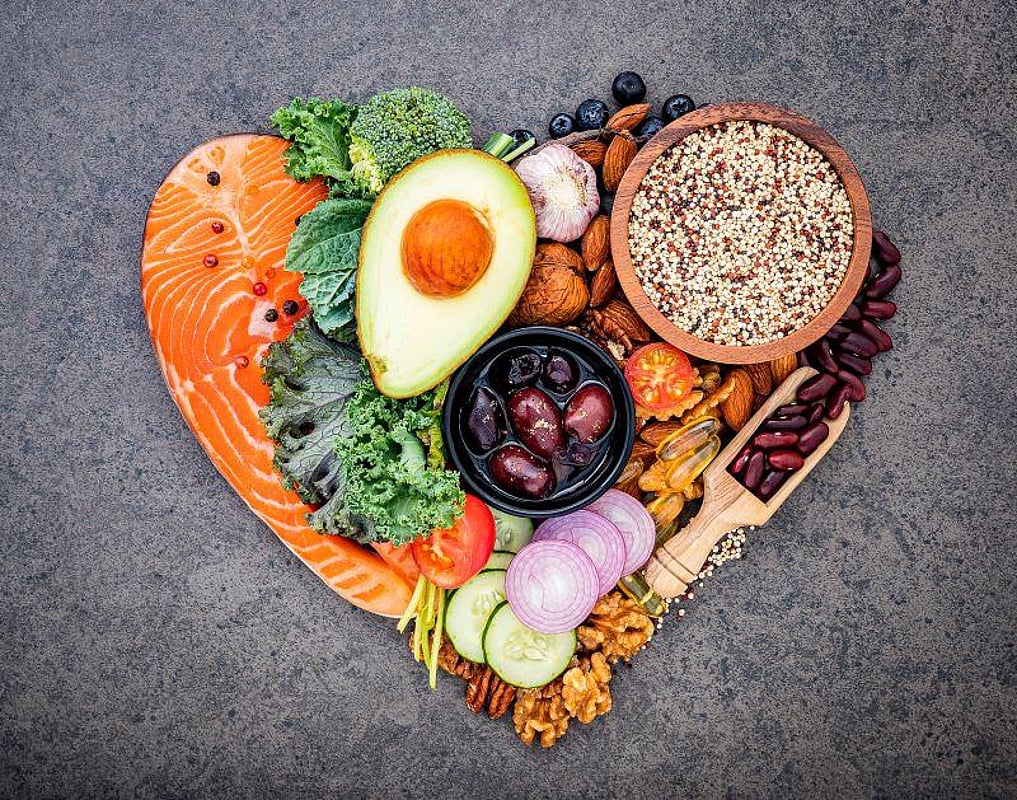
TUESDAY, Oct. 25, 2022 (HealthDay News) -- For patients with heart failure, higher intake of alpha-linolenic acid (ALA), the main plant omega-3, is associated with a reduced risk for incident adverse clinical outcomes, according to a study published online Oct. 24 in the Journal of the American College of Cardiology.
Iolanda Lázaro, Ph.D., from the Hospital del Mar Medical Research Institute in Barcelona, Spain, and colleagues examined the association between dietary ALA intake and heart failure prognosis in 905 ambulatory patients with heart failure with different etiologies.
A total of 140 all-cause deaths, 85 cardiovascular (CV) deaths, and 141 first heart failure hospitalizations were documented after a median follow-up of 2.4 years. The researchers found that patients at the upper three quartiles versus the lowest quartile of ALA had a reduced risk for the composite of all-cause death and first heart failure hospitalization (hazard ratio, 0.61). For all-cause death, CV death, first heart failure hospitalization, and the composite of CV death and heart failure hospitalization, statistically significant reductions were observed (hazard ratios, 0.58, 0.51, 0.58, and 0.58, respectively).
"Elevated ALA levels in serum phospholipids, which mirror dietary intake, were related to a lower risk of incident adverse clinical outcomes during a mid-term follow-up in patients with heart failure," the authors write.
One author disclosed financial ties to the biopharmaceutical industry; a second author disclosed ties to the California Walnut Commission.
Abstract/Full Text (subscription or payment may be required)
Related Posts
Laboratory Response Network Facilitates Rapid ID of Monkeypox
MONDAY, July 11, 2022 (HealthDay News) -- The Laboratory Response Network (LRN)...
Pfizer to Ask FDA Soon for Approval of Its COVID-19 Vaccine for Younger Children
MONDAY, Sept. 27, 2021 (HealthDay News) -- Pfizer plans to request approval for...
Organic Strawberries Linked to Hepatitis Cases, FDA Warns
TUESDAY, May 31, 2022 (HealthDay News) -- Fresh, organic strawberries may be...
Una niñez ‘sedentaria’ podría significar unos corazones más pesados y menos sanos en el futuro
MIÉRCOLES, 23 de agosto de 2023 (HealthDay News) -- Los niños deben levantarse...