
COVID Vaccination Does Not Raise Odds of Miscarriage: Study
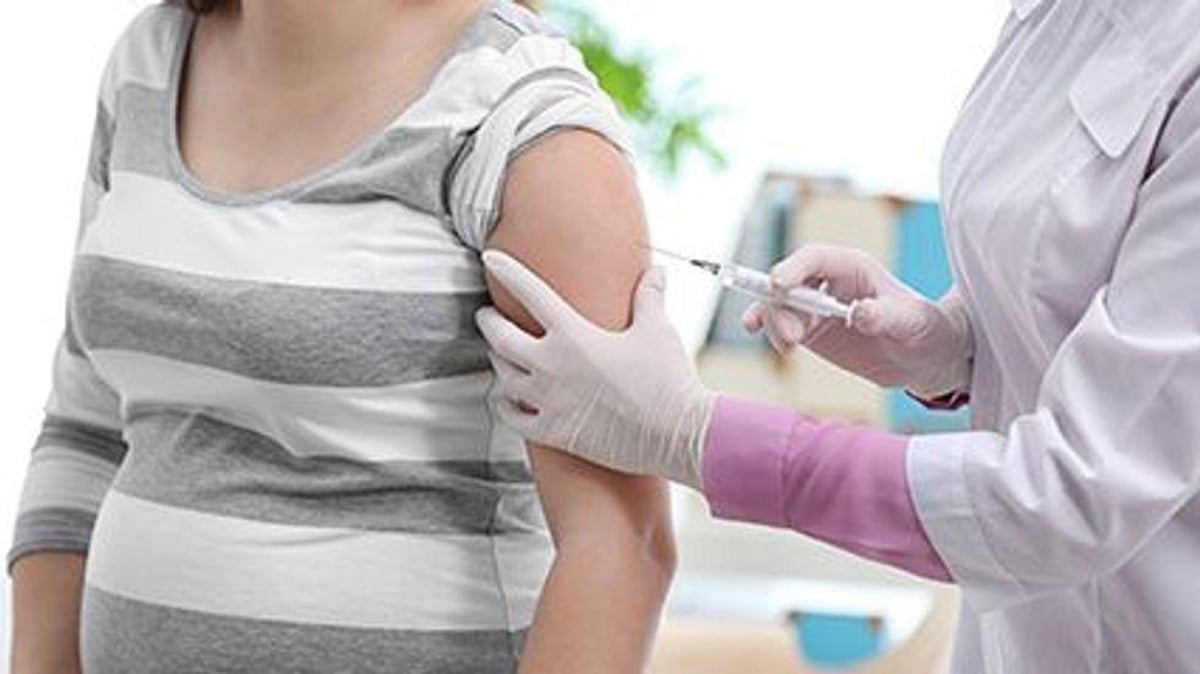
MONDAY, Oct. 25, 2021 (HealthDay News) -- COVID-19 vaccines don't increase the risk of miscarriage in early pregnancy, according to a study that adds to previous research showing the vaccines are safe for pregnant women.
An international team analyzed data from several Norwegian health registries to assess the risk of miscarriage in the first trimester among women vaccinated against COVID-19. Information from more than 18,000 women was reviewed for the study. While Norway does not recommend vaccination in the first trimester of pregnancy, women may get the shot before they realize they are expecting, researchers pointed out.
"Our study found no evidence of an increased risk for early pregnancy loss after COVID-19 vaccination and adds to the findings from other reports supporting COVID-19 vaccination during pregnancy," the researchers wrote in a letter to the editor in the Oct. 20 New England Journal of Medicine.
"The findings are reassuring for women who were vaccinated early in pregnancy and support the growing evidence that COVID-19 vaccination during pregnancy is safe," they added.
Nine researchers signed the letter, including Dr. Allen Wilcox of the National Institute of Environmental Health Sciences in Durham, N.C., Deshayne Fell of the University of Ottawa, and Maria Magnus from Norwegian Institute of Public Health in Oslo.
The vaccines used in Norway included Pfizer, Moderna and AstraZeneca. The study found no link between the type vaccine given to pregnant women and miscarriage risk.
"It is important that pregnant women are vaccinated since they have a higher risk of hospitalizations and COVID-19-complications, and their infants are at higher risk of being born too early," the authors said in a University of Ottawa news release. "Also, vaccination during pregnancy is likely to provide protection to the newborn infant against COVID-19 infection in the first months after birth."
More information
The U.S. Centers for Disease Control and Prevention has more on COVID-19 vaccines and pregnant women and new mothers.
SOURCE: University of Ottawa, news release, Oct. 21, 2021
Related Posts
Lung Cancer Screening Based on Personal Risk Is Cost-Effective
TUESDAY, Feb. 7, 2023 (HealthDay News) -- Lung cancer screening strategies based...
Vinculan unas afecciones oculares comunes con un mayor riesgo de demencia
VIERNES, 17 de septiembre de 2021 (HealthDay News) -- Unas enfermedades que...
Facebook, Instagram Remove Posts Offering Abortion Pills
TUESDAY, June 28, 2022 (HealthDay News) -- Facebook and Instagram have started...
Mental Health Apps Offer Basic Features
WEDNESDAY, Dec. 28, 2022 (HealthDay News) -- Mental health apps offer basic...