
COVID-19 Vaccine Not Tied to Menstrual Changes
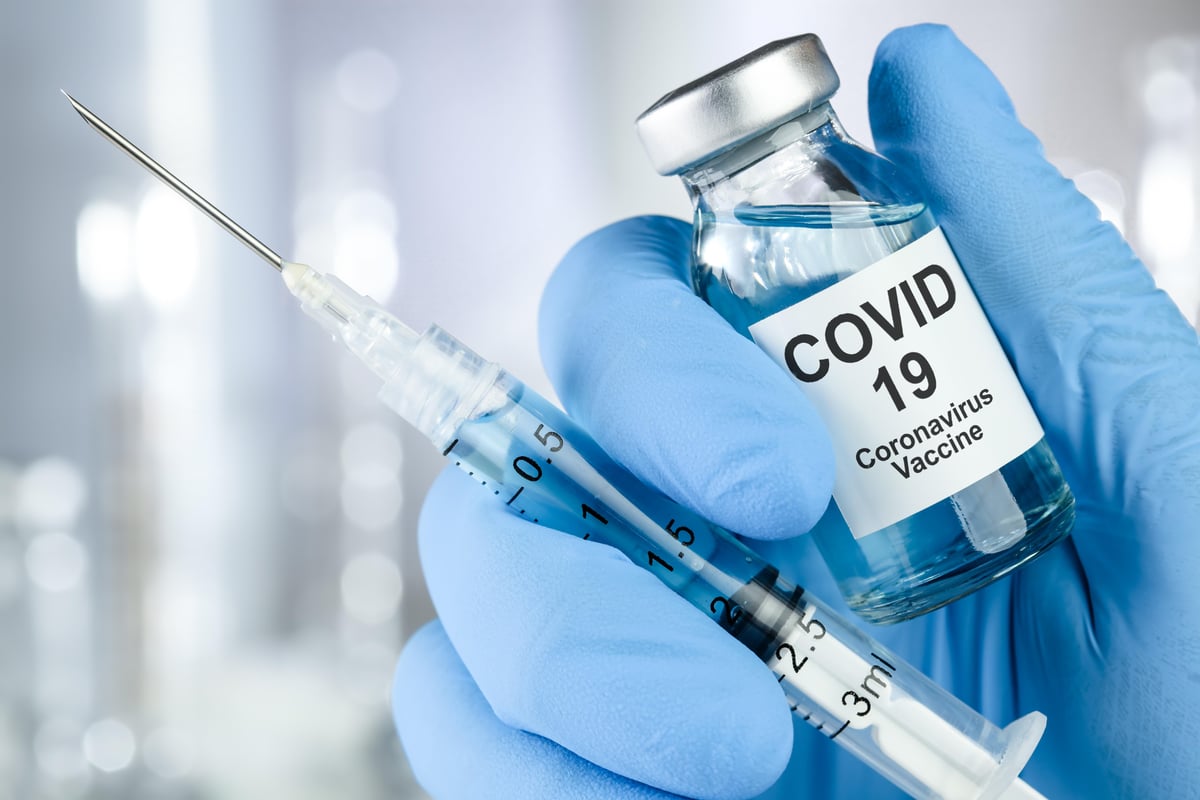
MONDAY, May 8, 2023 (HealthDay News) -- COVID-19 vaccines are not clearly associated with menstrual changes requiring health care attention, according to a study published online May 3 in The BMJ.
Rickard Ljung, M.D., Ph.D., from the Karolinska Institutet in Stockholm, and colleagues evaluated the risks for any menstrual disturbance and bleeding following severe acute respiratory syndrome coronavirus 2 (SARS-CoV-2) vaccination in women. The analysis included data from 2.9 million Swedish women (aged 12 to 74 years).
The researchers found the risks for bleeding in women who were postmenopausal were highest after the third dose, in the one-to-seven-day risk window (hazard ratio [HR], 1.28) and in the eight-to-90-day risk window (HR, 1.25). Results largely persisted after adjusting for covariates. A 23 to 33 percent increased risk for postmenopausal bleeding after eight to 90 days was suggested following the third dose of BNT162b2 and mRNA-1273. The association was less clear with the ChAdOx1 nCoV-19 vaccine. Adjusting for covariates almost completely removed the weak associations seen in crude analyses for menstrual disturbance or bleeding in women who were premenopausal.
"These findings do not provide substantial support for a causal association between SARS-CoV-2 vaccination and health care contacts related to menstrual or bleeding disorders," the authors write.
Several authors disclosed financial ties to the pharmaceutical industry.
Related Posts
AHA News: Few People With Heart Failure May Get a Critical Type of Care
TUESDAY, July 11, 2023 (American Heart Association News) -- Medicare coverage...
Patients’ Geography Impacts Guideline-Concordant COPD Care
FRIDAY, Oct. 20, 2023 (HealthDay News) -- Geographical challenges to accessing...
AHA News: Triathlete’s Pain Was the Start of a Rare Form of Heart Attack
MONDAY, Oct. 17, 2022 (American Heart Association News) -- MaryKay West was at...
Morning Exercise May Be Best for Weight Management
FRIDAY, Sept. 22, 2023 (HealthDay News) -- Morning appears to be the best time...