COVID-19 Survivors Overestimate Lingering Taste Impairment
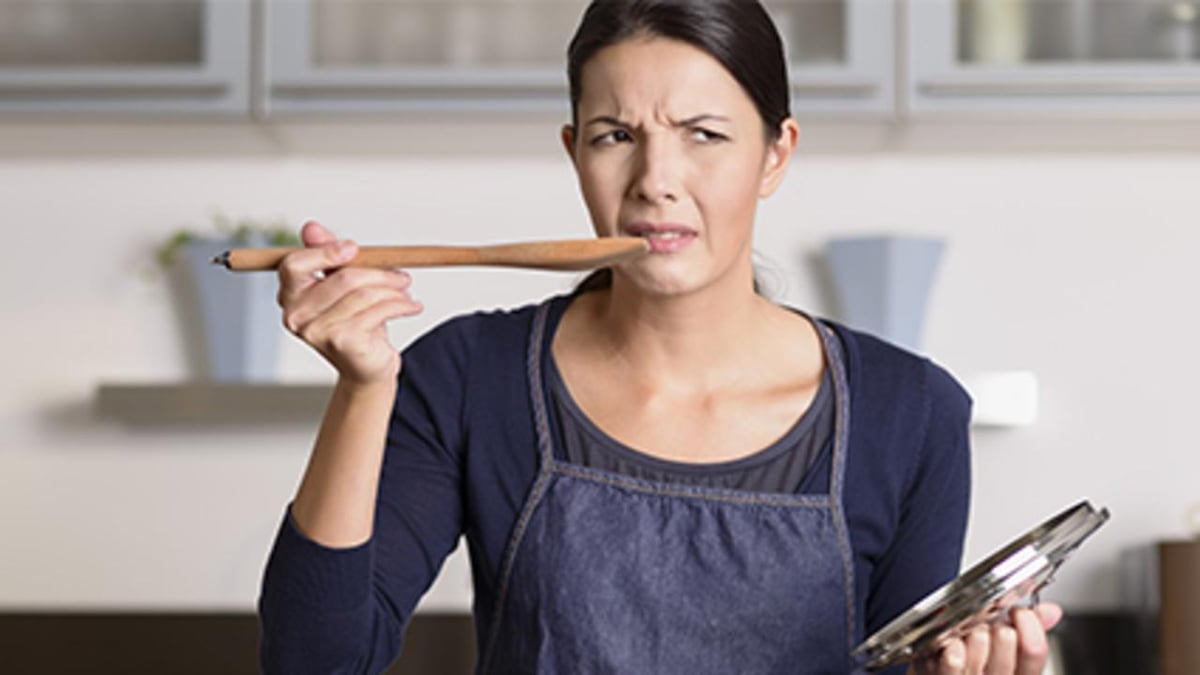
TUESDAY, Jan. 11, 2022 (HealthDay News) -- More than half of patients with self-reported long-term altered taste perception following COVID-19 actually have normal gustatory function when evaluated with validated psychophysical tests, according to a research letter published online Jan. 6 in JAMA Otolaryngology-Head & Neck Surgery.
Paolo Boscolo-Rizzo, M.D., from the University of Trieste in Italy, and colleagues examined whether psychophysical tests confirm a self-reported alteration of taste among patients self-reporting a persistent distorted perception of basic tastes three or more months after acute COVID-19. The analysis included 105 adult patients with psychophysical evaluation performed a median of 226 days after illness onset.
The researchers found that 98.1 percent had mildly symptomatic COVID-19 with no evidence of pneumonia. Almost all patients (94.3 percent) self-reported an associated olfactory impairment. A Taste Strips Score showed the prevalence of hypogeusia was 41.9 percent and dropped to 28.6 percent when adjusting for age. Only three patients (2.9 percent) had hypogeusia and were normosmic. With an increasing Threshold, Discrimination, and Identification score, the prevalence of normogeusic patients increased. Among 61 patients who were normogeusic, the majority (83.6 percent) had a TDI score <30.75 and 26.2 percent had a retronasal score <12. Only 16.4 percent had both normal orthonasal and retronasal olfactory function.
"This psychophysical study uncovers overestimation of self-reported taste impairment and supports the use of validated psychophysical tests to estimate the burden of chemosensory dysfunction in people with long-term COVID-19," the authors write.
Related Posts
SARS-CoV-2 Vaccination Seems Safe After MIS-C
THURSDAY, March 31, 2022 (HealthDay News) -- Severe acute respiratory syndrome...
Many Home Health Care Workers in Poor Health Themselves
MONDAY, Dec. 13, 2021 (HealthDay News) -- They take care of others, but many...
Age Matters for Use of At-Home Tests
SUNDAY, Oct. 23, 2022 (HealthDay News) -- These days, you can test yourself for...
HTN Not Detected Earlier With Self-Monitoring of BP in Pregnancy
WEDNESDAY, May 4, 2022 (HealthDay News) -- Self-monitoring of blood pressure...