
COVID-19 Rapid Test Makers Struggling to Meet Demand
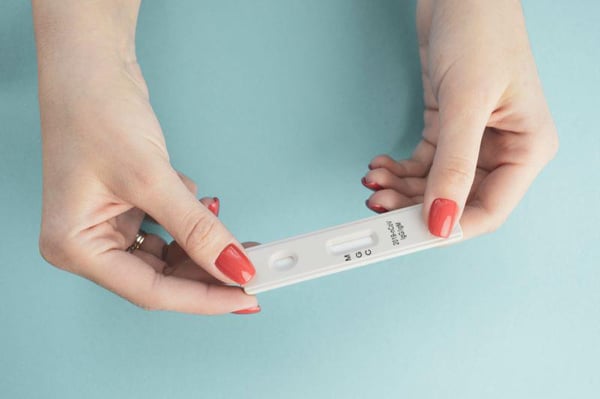
FRIDAY, Jan. 21, 2022 (HealthDay News) -- Shortages of both supplies and workers are wreaking havoc on the efforts of COVID-19 at-home test makers to deliver enough of the tests to Americans, even as the federal government pledges to provide 500 million free, at-home kits.
Like many other businesses, test kit manufacturers "have too many of their staff out with COVID. Thus, even if they have the physical capacity for production, they don't have the staff," Mara Aspinall, from Arizona State University, and colleagues wrote in a newsletter, NBC News reported. She estimated that the current total monthly capacity of U.S. rapid at-home test kit manufacturing is 260 million units per month, which is expected to rise to 355 million by February and 526 million by March.
The government's order for the free test kits is in addition to existing supply and does not interfere with existing orders, said a senior White House official, who added that four new rapid tests with high-volume production capacity have been authorized since September, NBC News reported.
On Jan. 13, the Department of Defense announced the awarding of contracts to three companies, Abbott, Roche Diagnostics, and iHealth labs, for 380 million test kits, in an "effort that supports the president's plan to deliver 500 million free at-home COVID-19 tests."
Abbott has plans to "build two new U.S. manufacturing facilities, [hire] thousands of people for new jobs that pay American wages, and we continue to invest in automation to allow us to scale further," Kim Modory, Abbott senior director of public affairs for diagnostics, told NBC News. Meanwhile, Roche spokeswoman Michelle Johnson said the company will start deliveries in January and by March provide "tens of millions" of test kits. The company has invested $500 million globally to boost instrument and test machine capacity. Still, "like other companies, we've experienced our share of supply challenges," she said.
Supplies are an issue: Demand for high-quality nitrocellulose membrane, the off-white fabric that forms the COVID-19 test strip, has soared during the pandemic. Some manufacturers cited difficulties sourcing sufficient nitrocellulose supplies as an obstacle to production earlier this year, a senior administration official told NBC News.
Related Posts
Science Reveals 3 Keys to an Energized, Alert Day
TUESDAY, Nov. 6, 2022 (HealthDay News) -- Advertising would have you believe...
FDA Approval of New COVID Boosters Could Come by Friday
THURSDAY, Sept. 7, 2023 (HealthDay News) -- New COVID-19 booster shots could...
Recommendations Developed for Treating Preinvasive Vulvar Lesions
THURSDAY, July 7, 2022 (HealthDay News) -- In consensus statements published in...
Infant Hospitalization for COVID-19 Reduced With Maternal Vaccination
TUESDAY, July 12, 2022 (HealthDay News) -- Maternal vaccination with mRNA...