
Calcium Supplements, Mortality Tied in Seniors With Aortic Stenosis
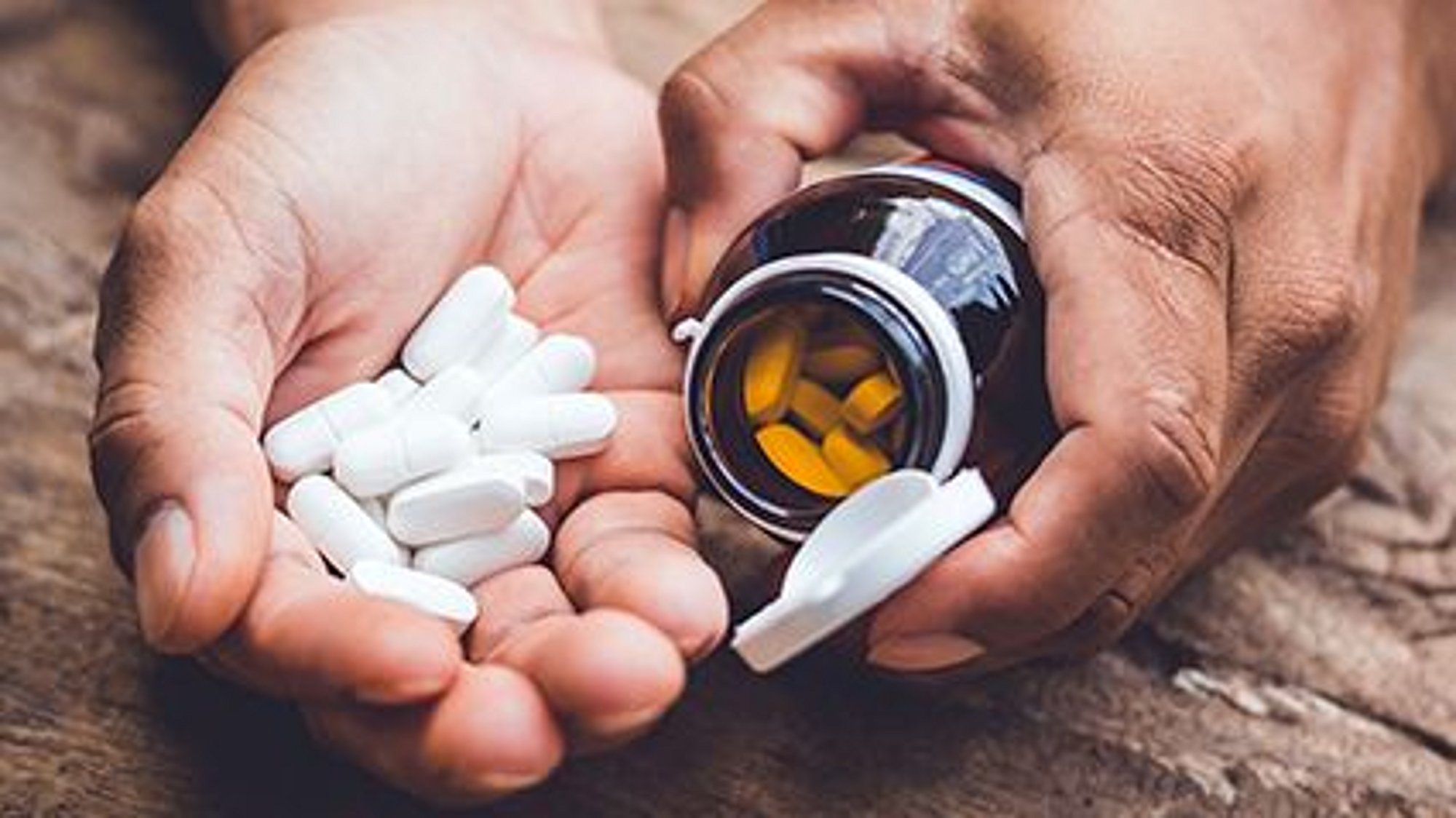
TUESDAY, April 26, 2022 (HealthDay News) -- For older adults with aortic stenosis (AS), calcium supplementation, with or without vitamin D, is associated with increased mortality and aortic valve replacement (AVR), according to a study published online April 25 in Heart.
Nicholas Kassis, M.D., from the Cleveland Clinic Foundation, and colleagues conducted a retrospective longitudinal study involving patients aged 60 years or older with mild-moderate native AS from 2008 to 2016, followed until 2018. Patients were stratified according to supplementation with calcium and vitamin D, and the associations with mortality and AVR were examined.
Of the 2,657 patients (mean age, 74 years) followed over a median of 69 months, 49, 12, and 39 percent did not supplement, supplemented with vitamin D alone, and supplemented with calcium ± vitamin D, respectively. The researchers found significantly higher risks for all-cause mortality, cardiovascular mortality, and AVR in association with calcium ± vitamin D supplementation (hazard ratios, 1.31, 2.0, and 1.48, respectively). In a linear mixed-effects model, there was no association observed for any supplementation with longitudinal change in AS parameters.
"Our findings suggest that supplemental calcium in this population does not confer any cardiovascular benefit, and instead these relationships should be thoughtfully considered in light of growing evidence and concern for cardiovascular harm particularly with unnecessary supplementation," the authors write.
Related Posts
Cuando la hora cambie el domingo, revise las pilas de las alarmas de humo y monóxido de carbono
JUEVES, 3 de noviembre de 2022 (HealthDay News) -- Cuando atrase el reloj el...
Poor Outcome More Likely When Patient Is Female, Surgeon Is Male: Study
MONDAY, Dec. 13, 2021 (HealthDay News) -- You can’t always choose who operates...
Tx Response Rate Increased With Lower First-Morning Urine Osmolality in Nocturnal Enuresis
WEDNESDAY, Oct. 4, 2023 (HealthDay News) -- Children with nocturnal enuresis...
Shorter Menstrual Cycles May Affect Timing of Menopause
THURSDAY, Aug. 25, 2022 (HealthDay News) -- The length of your monthly menstrual...