
Both Bariatric Surgery Methods Yield Similar 10-Year Results
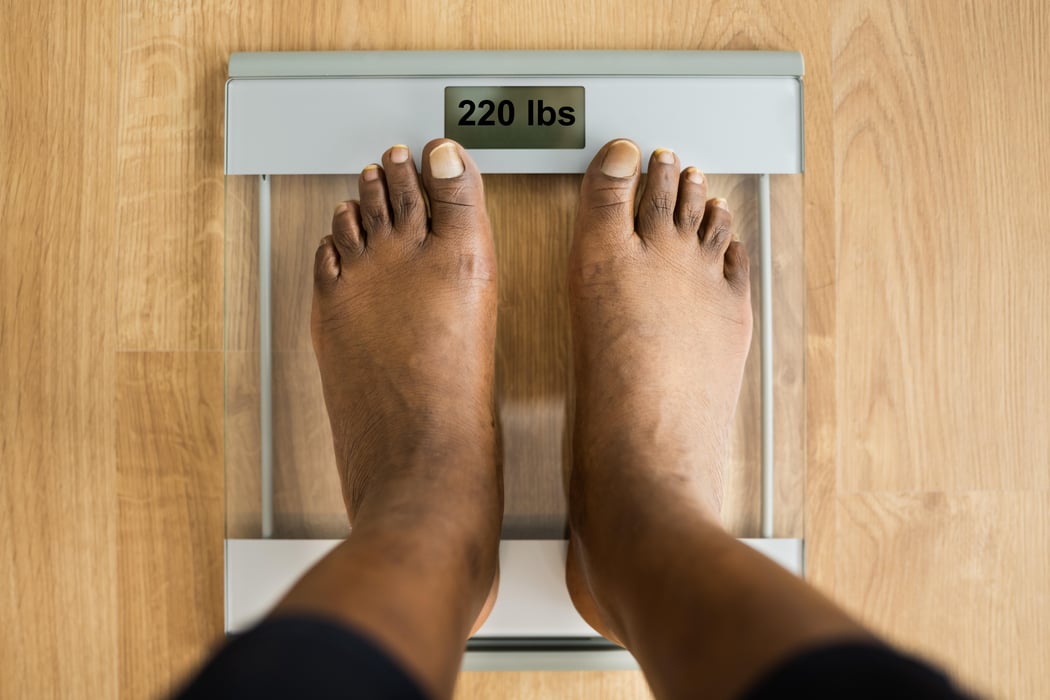
FRIDAY, June 24, 2022 (HealthDay News) -- Long-term outcomes are similar after laparoscopic sleeve gastrectomy (LSG) and laparoscopic Roux-en-Y gastric bypass (LRYGB) in patients with severe obesity, according to a study published online June 22 in JAMA Surgery.
Paulina Salminen, M.D., Ph.D., from Turku University in Finland, and colleagues compared 10-year outcomes of weight loss and remission of obesity-related comorbidities and the prevalence of gastroesophageal reflux symptoms, endoscopic esophagitis, and Barrett esophagus (BE) after LSG and LRYGB. The analysis included 240 patients (aged 18 to 60 years) randomly assigned to LSG (121 patients) or LRYGB (119 patients).
The researchers found that the median percentage excess weight loss was 43.5 percent after LSG and 50.7 percent after LRYGB, with the mean estimate percentage excess weight loss higher in LRYGB (8.4 percent). There was no statistically significant difference seen between the procedures for type 2 diabetes remission, dyslipidemia, or obstructive sleep apnea. Following LRYGB, hypertension remission was superior. After LSG, esophagitis was more prevalent, but there were no significant differences for BE. The reoperation rate was similar between the groups.
"Both procedures resulted in good and sustainable weight loss at 10 years," the authors write.
Abstract/Full Text (subscription or payment may be required)
Related Posts
CDC Warns of Potentially Fatal Bacterial Illness on U.S. Gulf Coast
FRIDAY, June 2, 2023 (HealthDay News) -- A potentially deadly germ has made its...
Hepatitis Outbreak Spurs Recall of Frozen Strawberries Sold at Costco, Trader Joe’s, Aldi
MONDAY, March 20, 2023 (HealthDay News) – Frozen organic strawberries packaged...
FDA Approves First Gene Therapy to Treat Duchenne Muscular Dystrophy
FRIDAY, June 23, 2023 (HealthDay News) -- The U.S. Food and Drug Administration...