
ASTRO: Ultra-High-Dose Radiotherapy Feasible for Extremity Bone Mets
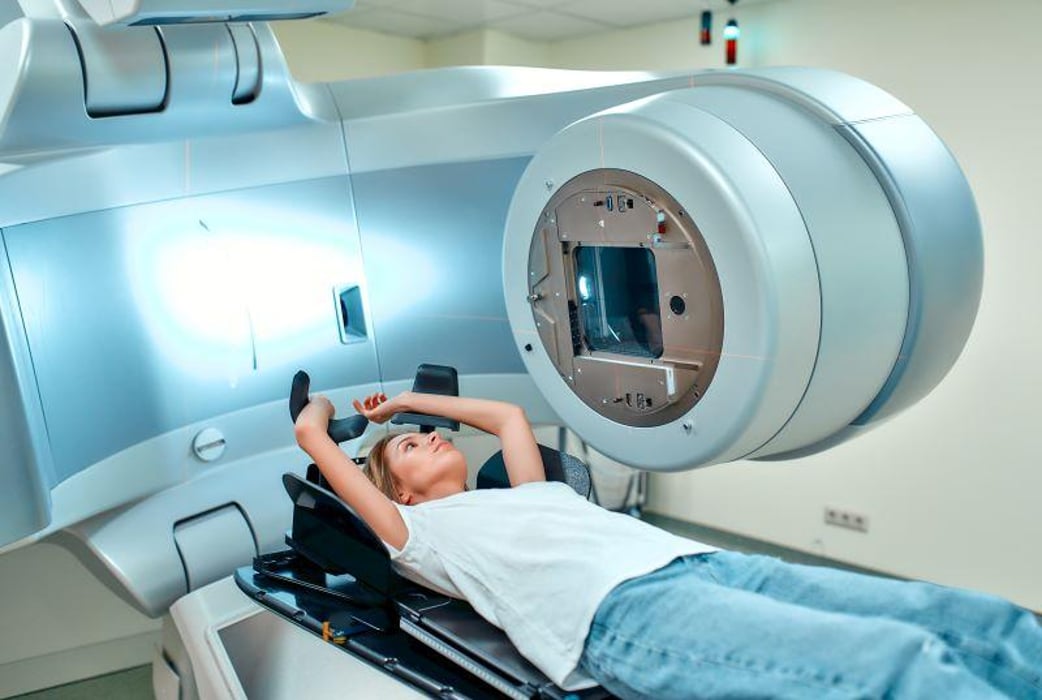
FRIDAY, Oct. 28, 2022 (HealthDay News) -- Ultra-high-dose-rate radiotherapy delivered at more than 40 Gy/sec (FLASH therapy) is clinically feasible for extremity bone metastases, according to a study published online Oct. 23 in JAMA Oncology to coincide with the annual meeting of the American Society for Radiation Oncology (ASTRO), held from Oct. 23 to 26 in San Antonio.
Anthony E. Mascia, Ph.D., from Cincinnati Children's Hospital, and colleagues examined the clinical workflow feasibility and treatment-related toxic effects of FLASH. Ten participants aged 18 years and older with one to three painful extremity bone metastases and life expectancies of two months or more were eligible and underwent palliative FLASH radiotherapy. Extremity bone metastases were treated on a FLASH-enabled (40 Gy/sec) proton radiotherapy system using a single-transmission proton beam.
Ten patients underwent FLASH radiotherapy at 12 metastatic sites. The researchers found that no FLASH-related technical issues or delays occurred. The average time on the treatment couch was 18.9 and 15.8 minutes per patient and per treatment site, respectively. Patients were followed for a median of 4.8 months. Mild adverse events occurred, which were consistent with conventional radiation treatment. In four of the 12 treated sites, transient pain flares occurred. Pain relief was reported in eight of the 12 sites, while in six of the 12 sites, patients reported a complete response (no pain).
"Our study shows FLASH radiotherapy with protons is a practical modality to reduce pain," a coauthor said in a statement. "It deserves further exploration because of its potential to decrease the side effects associated with conventional radiation treatments."
Several authors disclosed financial ties to Varian Medical Systems, a Siemens Healthineers company, which provided funding for the trial and study. One author disclosed holding multiple FLASH patents.
Editorial (subscription or payment may be required)
Related Posts
Kids With COVID-Linked MIS-C Have Long-Term Symptoms
THURSDAY, Feb. 3, 2022 (HealthDay News) -- Following a bout of severe COVID-19,...
Nerve Damage Might Help Drive Some Cases of Long COVID
WEDNESDAY, March 2, 2022 (HealthDay News) -- Nerve damage is the likely culprit...
San Francisco, N.Y. State Declare Monkeypox Public Health Emergencies
FRIDAY, July 29, 2022 (HealthDay News) -- Both San Francisco and New York state...
Dr. Anthony Fauci Will Step Down in December
MONDAY, Aug. 22, 2022 (HealthDay News) -- Anthony Fauci, M.D., who has advised...