
Alzheimer’s Experts Offer Tips for ‘Dementia-Friendly’ Homes
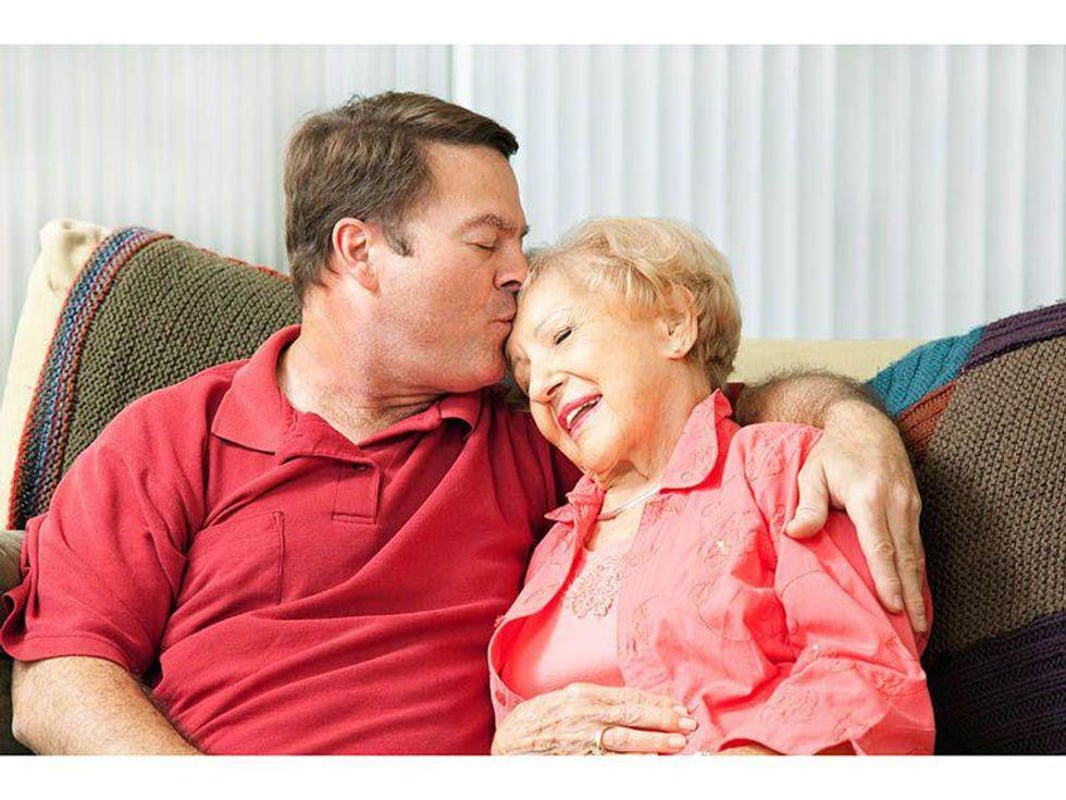
SUNDAY, Nov. 13, 2022 (HealthDay News) -- While most homes aren't designed to be dementia-friendly, they can easily be adapted, according to a national Alzheimer's disease group.
"Virtually every aspect of a home can affect the person's quality of life," said Charles Fuschillo Jr., president and CEO of the Alzheimer's Foundation of America (AFA).
"From purchasing higher-tech appliances all the way down to labeling dresser drawers and putting up old family photos, there are a variety of adaptations family care partners can use to make their loved one's home more dementia-friendly," he said in a foundation news release.
The AFA offers tips for creating a space that will be soothing for a loved one with a dementia-related illness.
Color can help set the mood, so blue can be a calming choice in a bedroom, bathroom or area where someone might relax. Red, orange and purple are energetic and stimulating, and may not be ideal choices for helping someone stay calm.
Keep color contrast in mind for helping aid in vision, depth perception and spatial orientation, the AFA suggests. For example, dishware that contrasts with the tablecloth color can make it easier for someone with dementia to see the food on the plate.
The AFA has a full-scale model of a dementia-friendly residence on its website.
Visual clues can simplify life for someone with dementia, according to the foundation. This can include putting labels on dresser drawers with a small picture and the name of the contents, such as shirts or socks.
Décor can also be soothing and help with mood and memory recall. Family photos, pictures of places someone enjoys and vintage magazines that help remember a time in the past can all be helpful.
Proper lighting can help your loved one with dementia see better but can also affect the body and behavior. For example, blue light rays stimulate the brain, increasing alertness and elevating energy levels.
Lighting that mimics natural patterns of high blue light during the day and low blue light at night can improve sleep and reduce agitation. Lights that produce glare may make it harder for someone to see, and flickering lights can increase agitation.
Technology can fill needs for care partners who don't live with the individual who has dementia. These can include app-controlled thermostats to program, change and maintain the temperature remotely.
Smart alarms for smoke and carbon monoxide can be programmed with friendly human voices and monitored with an app.
Interactive virtual assistant technology can be used to schedule reminders and events that will be audibly played for a loved one. This might include phrases at the right times of day, such as "it's lunchtime now" or "time to take your medication."
More information
The U.S. Centers for Disease Control and Prevention has more on dementia.
SOURCE: Alzheimer's Foundation of America, news release, Nov. 10, 2022
Related Posts
Vitamins, Supplements Useless for Most People: Expert Panel
TUESDAY, June 21, 2022 (HealthDay News) -- Millions of people pop vitamins and...
La enfermedad mental de papá aumenta el riesgo de nacimiento prematuro
VIERNES, 21 de julio de 2023 (HealthDay News) -- No solo la salud mental de una...
Black Americans Still at Higher Risk for Heart Trouble
TUESDAY, Oct. 5, 2021 (HealthDay News) -- Black Americans have been persistently...
¿Unos huesos más débiles debilitan al cerebro? Un estudio encuentra una conexión
JUEVES, 23 de marzo de 2023 (HealthDay News) -- En algunos adultos mayores, unos...