
Allergies: Climate Change Is Worsening ‘Sneezin’ Season’
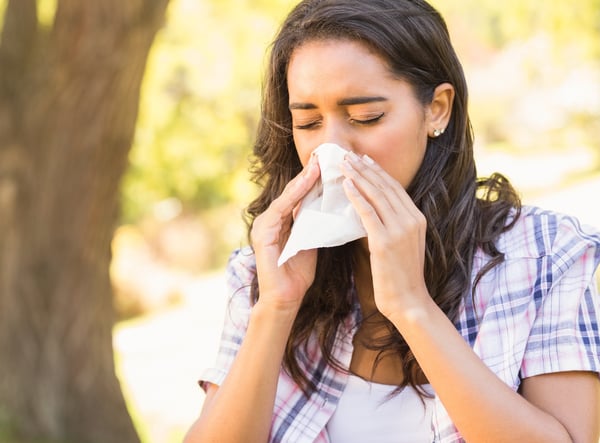
THURSDAY, April 13, 2023 (HealthDay News) -- Allergy and asthma sufferers may think their symptoms are harsher and lasting longer this spring.
They’re not imagining it. The changing climate means that allergy seasons are starting about 20 days earlier, are 10 days longer and include 21% more pollen than they did in 1990, according to the U.S. National Institute of Food and Agriculture.
“It’s a pretty simple equation,” said allergist Dr. Kathleen May, president of the American College of Allergy, Asthma and Immunology (ACAAI).
“More pollen means more days of suffering with asthma and allergy symptoms," she said in a college news release. "People across the country are aware they need to start allergy and asthma medications sooner because symptoms arrive earlier and stay longer. As allergists, we’re watching our patients sneezing, wheezing and dripping more. But we have the tools to help."
Warmer temperatures, longer growing seasons and decreased air quality all play their part.
A person dealing with seasonal allergies may experience sneezing, nasal congestion, runny nose, watery eyes, an itchy throat and eyes and wheezing. Pollen can also aggravate asthma symptoms. Allergists can help people get all of those symptoms under control.
In addition to avoiding pollen as much as possible, the ACAAI suggests two immunotherapy options for those with severe pollen allergies.
Allergy shots can help your body become less sensitive to pollen. For those who suffer from grass or ragweed allergies, tablets that dissolve under the tongue are another option. They’re available with a prescription.
It's best to start these treatments 12 weeks before symptoms are expected to begin.
Many people suffer from both nasal allergies and asthma. Allergic asthma is the most common type.
The frequency of children with nasal allergies who also have asthma can be as high as 80%, according to the ACAAI. About 75% of adults ages 20 to 40 with asthma have at least one allergy.
“What many people don’t realize is that the same things that trigger your seasonal ‘hay fever’ symptoms -- things like pollen, dust mites, mold and pet dander – can also cause asthma symptoms,” May said. “If you have allergies, and you are wheezing or coughing, an allergist can determine if you also have asthma. Allergists are specialists at treating asthma and can put together a treatment plan to help you deal with both conditions.”
More information
The U.S. National Institutes of Health has more on seasonal allergies.
SOURCE: American College of Allergy, Asthma and Immunology, news release, April 11, 2023
Related Posts
17.2 Percent of Children Start but Do Not Complete Seven-Vaccine Series
TUESDAY, July 25, 2023 (HealthDay News) -- Overall, 17.2 percent of children...
Eye Tracking of Social Visual Engagement Predicts Autism Diagnosis
THURSDAY, Sept. 7, 2023 (HealthDay News) -- Eye tracking-based measurement of...
Significant Link Seen for Persistent Postconcussion Symptoms, Depression
TUESDAY, Jan. 3, 2023 (HealthDay News) -- There is a significant association...