
ACC: Lasting Reduction in BP Seen With Radiofrequency Renal Denervation
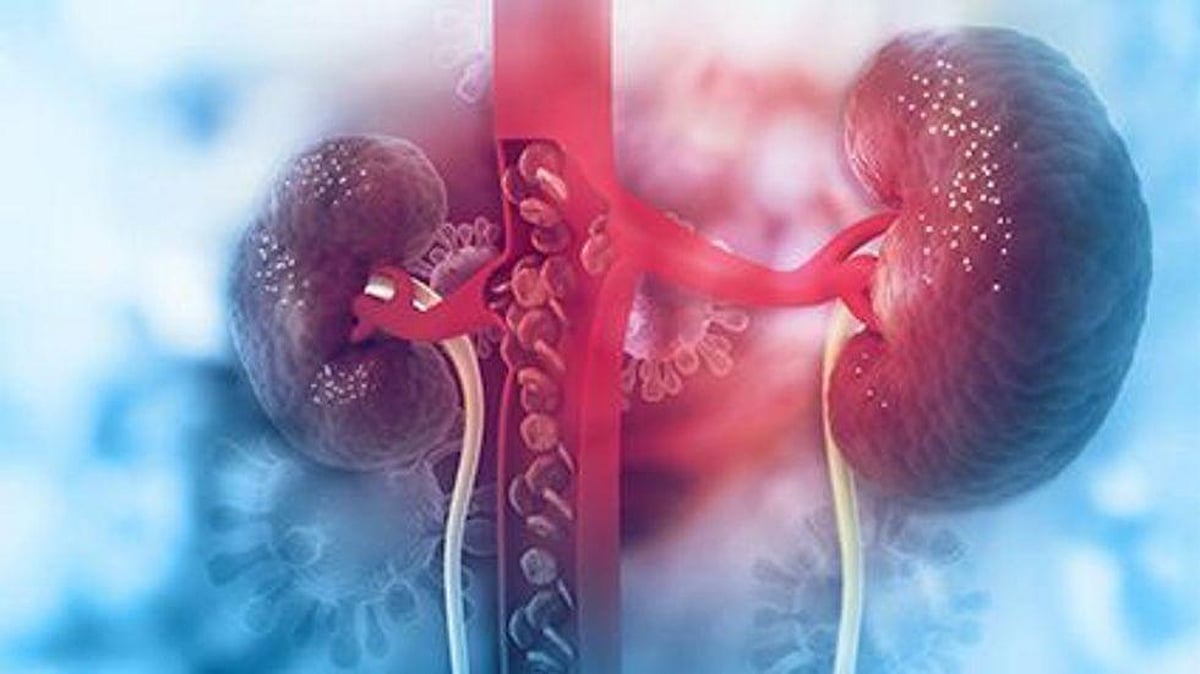
FRIDAY, April 8, 2022 (HealthDay News) -- Radiofrequency renal denervation yields clinically meaningful and lasting blood pressure reductions up to 36 months, according to a study published online April 4 in The Lancet to coincide with the annual meeting of the American College of Cardiology, held from April 2 to 4 in Washington, D.C.
Felix Mahfoud, M.D., from Saarland University in Homburg, Germany, and colleagues conducted a randomized, single-blind, sham-controlled trial enrolling patients from 25 clinical centers with uncontrolled hypertension. Participants had 24-hour ambulatory systolic blood pressure between 140 mm Hg and <170 mm Hg, while taking one to three antihypertensive drugs for at least six weeks. Patients underwent renal angiography and were randomly assigned to either radiofrequency renal denervation or a sham control procedure (38 and 42 individuals, respectively).
In the renal denervation group, the researchers observed significant reductions from baseline in mean ambulatory systolic and diastolic blood pressure, and these numbers were significantly lower than those in the sham control group at 24 and 36 months, despite a similar intensity of antihypertensive drug treatment. At 36 months, 77 and 93 percent of patients in the renal denervation and sham control groups, respectively, adhered to medication. The reduction in ambulatory systolic blood pressure at 36 months was −18.7 and −8.6 mm Hg for the renal denervation and sham control groups, respectively.
"Given this long-term safety and efficacy finding, renal denervation could provide an adjunctive treatment modality in the management of patients with hypertension," the authors write.
Several authors disclosed financial ties to pharmaceutical and medical device companies, including Medtronic, which funded the study.
Abstract/Full Text (subscription or payment may be required)
Editorial (subscription or payment may be required)
Related Posts
Red Cross Says U.S. Blood Supply at Dangerously Low Level
TUESDAY, Jan. 11, 2022 (HealthDay News) -- There's an urgent need for blood...
2000 to 2020 Saw Increase in Suicidal Ingestions Among Children
TUESDAY, March 15, 2022 (HealthDay News) -- From 2000 through 2020, there was an...
Which Drugs Fight COVID Best? WHO Updates Treatment Guidelines
FRIDAY, Sept. 16, 2022 (HealthDay News) -- In updated guidance issued Thursday,...
A-Fib Linked to Increased Odds of MCI, Dementia in Women
WEDNESDAY, July 5, 2023 (HealthDay News) -- Atrial fibrillation (AF) is...