
ACC: Infected CV Implantable Electronic Devices Often Not Removed
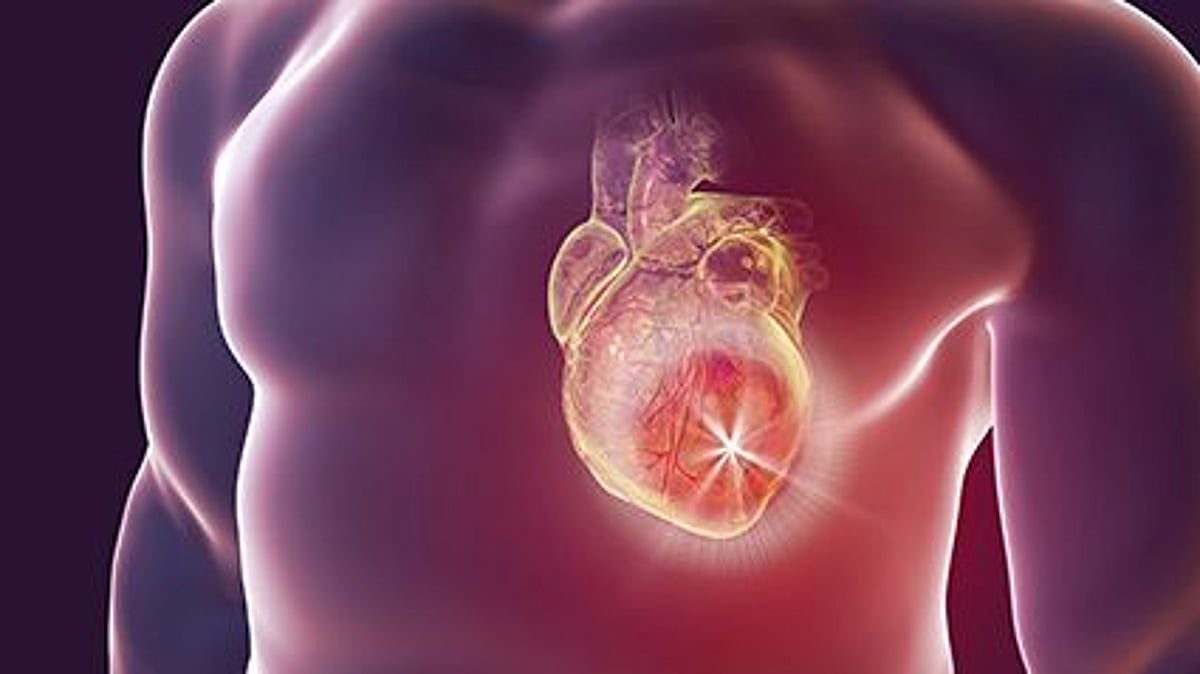
MONDAY, April 11, 2022 (HealthDay News) -- For patients with cardiovascular implantable electronic device (CIED) infections, only about 20 percent undergo hardware removal as recommended by treatment guidelines, according to a study presented at the annual meeting of the American College of Cardiology, held from April 2 to 4 in Washington, D.C.
Noting that hardware removal via extraction is a Class I recommendation for CIED infection, Sean D. Pokorney, M.D., from the Duke University School of Medicine in Durham, North Carolina, and colleagues examined practice patterns among Medicare fee-for-service beneficiaries with Part D with a de novo pacemaker or implantable cardioverter defibrillator implant who had a CIED infection more than 12 months following implantation. Data were included for 1,065,549 CIED patients, with a mean follow-up of 4.6 years.
The researchers identified 11,619 CIED infections (1.1 percent). The infections occurred at a mean 3.7 years after implant; within the cohort, one-year survival was 68.4 percent. Overall, 78.9 percent of the patients did not have extraction, while 13 and 5.1 percent had extraction within six days of diagnosis and on days 7 to 30, respectively. Extraction within six days was associated with lower mortality in a multivariable Cox regression analysis (adjusted hazard ratio, 0.64).
"Any extraction was associated with lower mortality when compared to no extraction, but the highest benefit was to those who had devices removed within six days of an infection," Pokorney said in a statement. "This speaks to the importance of putting systems in place to identify these patients and get them quickly and appropriately treated, because delays in care result in higher mortality."
The study received funding support from Philips, which markets devices used in CIED extraction procedures; six authors disclosed financial ties to the company.
Related Posts
Las resoluciones de Año Nuevo: ¿Cuál es la mejor forma de plantearlas y cumplirlas?
VIERNES, 30 de diciembre de 2022 (HealthDay News) -- Las resoluciones de Año...
Bebtelovimab Appears Reliable for COVID-19 During Omicron Epoch
MONDAY, Sept. 19, 2022 (HealthDay News) -- For high-risk patients with...
Las pruebas de COVID a domicilio pueden provocar daños si no se almacenan bien, advierte la FDA
MARTES, 22 de marzo de 2022 (HealthDay News) -- Las pruebas de COVID-19 a...
Coffee Might Perk Up Your Heart and Life Span
TUESDAY, Sept. 27, 2022 (HealthDay News) -- Folks who drink two or three cups of...