
A Wolf’s Gut Bug Might Boost Health of Domestic Dogs
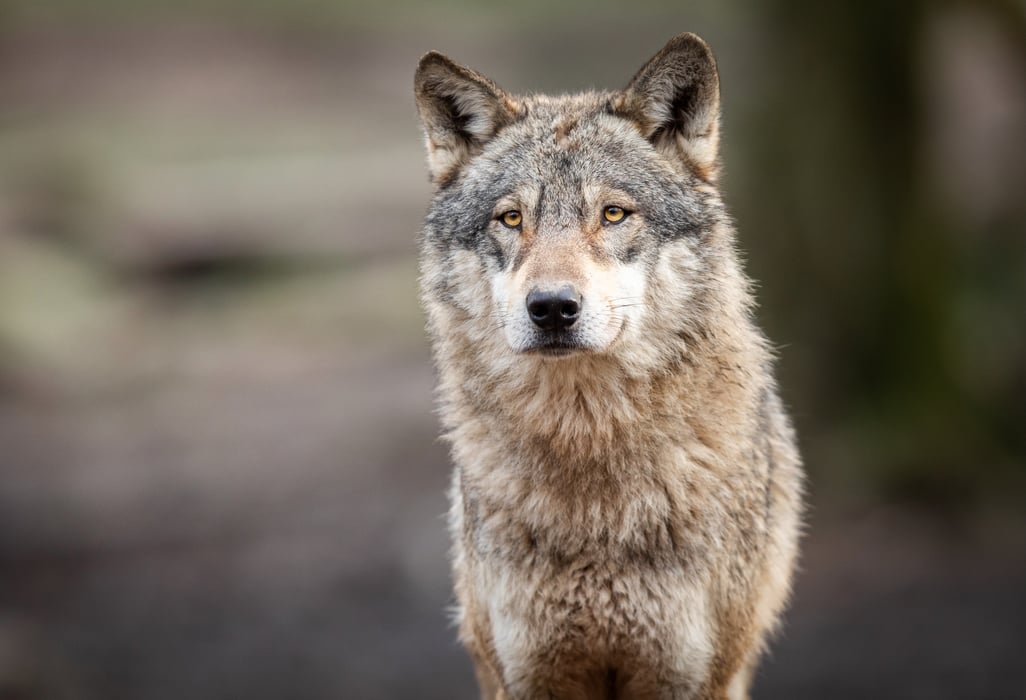
MONDAY, Oct. 9, 2023 (HealthDay News) -- A type of gut bacteria found in wild wolves could help treat domestic dogs who have a common, debilitating gastrointestinal condition.
New research in an Oregon wolf discovered a novel strain of Paenibacillus bacteria that displays the characteristics of a probiotic.
The benefit from this bacteria would be to stop canine inflammatory bowel disease.
A chronic illness, this disease causes vomiting, reduced appetite, weight loss, flatulence, a rumbling stomach and abdominal discomfort in domestic dogs, said researcher Bruce Seal, from Oregon State University-Cascades’ biology program.
“At present there is no known cure for this ongoing dysbiosis [an imbalance of gut bacteria] of the gastrointestinal tract, and there are limited options for treatment,” Seal said in a university news release. “Underlying causes of the condition include an animal’s genetics, environmental factors, the immunological state of the GI tract and, maybe most importantly, an altered gut microbiome.”
The research could be a step toward creating a dietary supplement or food additive to help dogs have the type of microbiome of the wolf, according to the study authors.
“Dogs were the first domesticated animal,” Seal said. “The modern dog diet, high in carbohydrates, does not reflect a wolf’s diet — for example, starches in processed dog food are resistant to digestion, and that can have a negative impact on the microbial community in a dog’s GI tract and in turn its gastric physiology.”
To study this, researchers collected gastrointestinal material from a dead wolf the day after it died from injuries sustained from being struck by a car.
Scientists isolated 20 different gut bacteria that preliminary genetic analyses showed have probiotic qualities. They did a whole genome sequencing on a novel Paenibacillus strain.
This bacterium encodes enzymes that can digest complex carbohydrates such as starches, Seal said. It also has gene systems expressing antimicrobials. Researchers plan to now do whole genome sequencing on four or five other bacterial species they isolated.
The findings were published recently in the journal Applied Microbiology.
“Non-toxic, spore-forming bacteria promote anti-inflammatory immune responses in the gut and inhibit pathogen growth,” Seal explained. “Taking everything into account, this bacterial isolate could be a potential useful probiotic for domestic dogs.”
More information
The National Human Genome Research Institute has more on the microbiome.
SOURCE: Oregon State University, news release, Oct. 2, 2023
Related Posts
Diabetes Prevalence Higher for Black, Hispanic, Asian Americans
MONDAY, May 9, 2022 (HealthDay News) -- Black, Hispanic, and Asian Americans aged...
¿Cuáles son los estadounidenses que más viven? La raza y la región podrían ser clave
MARTES, 28 de junio de 2022 (HealthDay News) -- La esperanza de vida de los...
Who’s Got the Strongest Sex Drive, Men or Women?
WEDNESDAY, Oct. 26, 2022 (HealthDay News) -- Perhaps to no one's surprise, new...
Nasal Spray COVID Vaccine Shows Promise in Early Trial
WEDNESDAY, Oct. 11, 2023 (HealthDay News) -- New research points to the...