
CDC Investigating E. Coli Outbreak in Michigan, Ohio
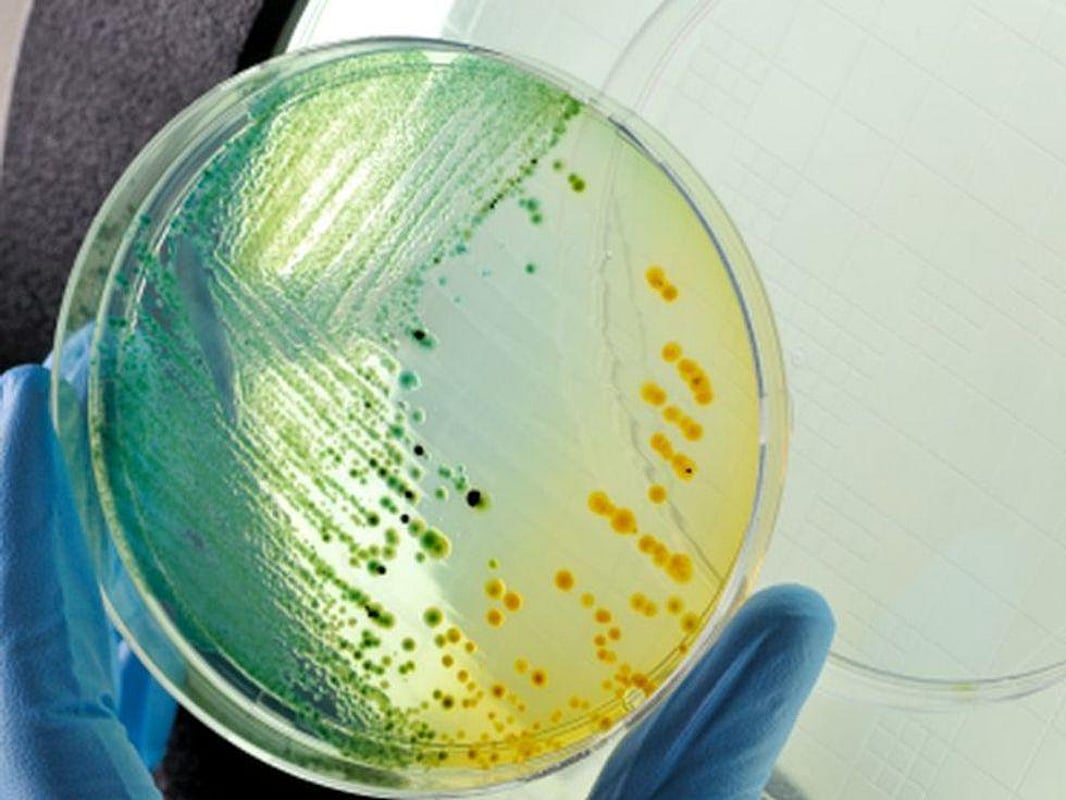
THURSDAY, Aug. 18, 2022 (HealthDay News) -- U.S. health officials said Wednesday that they are investigating an outbreak of Escherichia coli that has infected 29 people in Michigan and Ohio.
The outbreak has led to nine hospitalizations but no deaths, and investigators have not yet found a food source responsible for sickening people. They did note that the numbers are likely higher than cases reported so far.
The U.S. Centers for Disease Control and Prevention said in a statement that it is using the PulseNet system to identify and confirm illnesses that are part of this outbreak. The system manages a national database of DNA fingerprints of bacteria that cause foodborne illnesses. These DNA fingerprints have shown health officials that the bacteria that is making people sick is closely related genetically, which suggests that people in this outbreak got sick from the same source.
State and local public health officials are interviewing people about the foods they ate in the week before they got sick and said they will issue additional alerts based on their discoveries.
Most people with E. coli start feeling sick about three to four days after eating or drinking something that contains the bacteria, though the range can be from one to 10 days after exposure. Although symptoms can vary, they often include severe stomach cramps, diarrhea that is typically bloody, and vomiting. Some people may have a fever of less than 101 degrees. Most symptoms improve within five to seven days. While some infections are very mild, others can be severe or life-threatening, the CDC said.
Related Posts
Las autoridades anuncian que las vacunas contra la COVID actualizadas saldrán a mediados de septiembre
VIERNES, 25 de agosto de 2023 (HealthDay News) -- A mediados de septiembre...
AHA News: El cerebro no es el único lugar donde puede ocurrir un accidente cerebrovascular
VIERNES, 19 de mayo de 2023 (American Heart Association News) -- Pérdida...
New Cancer Drugs Approved Faster in U.S. Than Europe
TUESDAY, June 14, 2022 (HealthDay News) -- New oncology therapies generally are...
Early Hysterectomy Increases Risk for Cardiovascular Disease
WEDNESDAY, June 14, 2023 (HealthDay News) -- Early menopause due to hysterectomy...