
99% of Planet’s Population Breathes Dirty Air: WHO
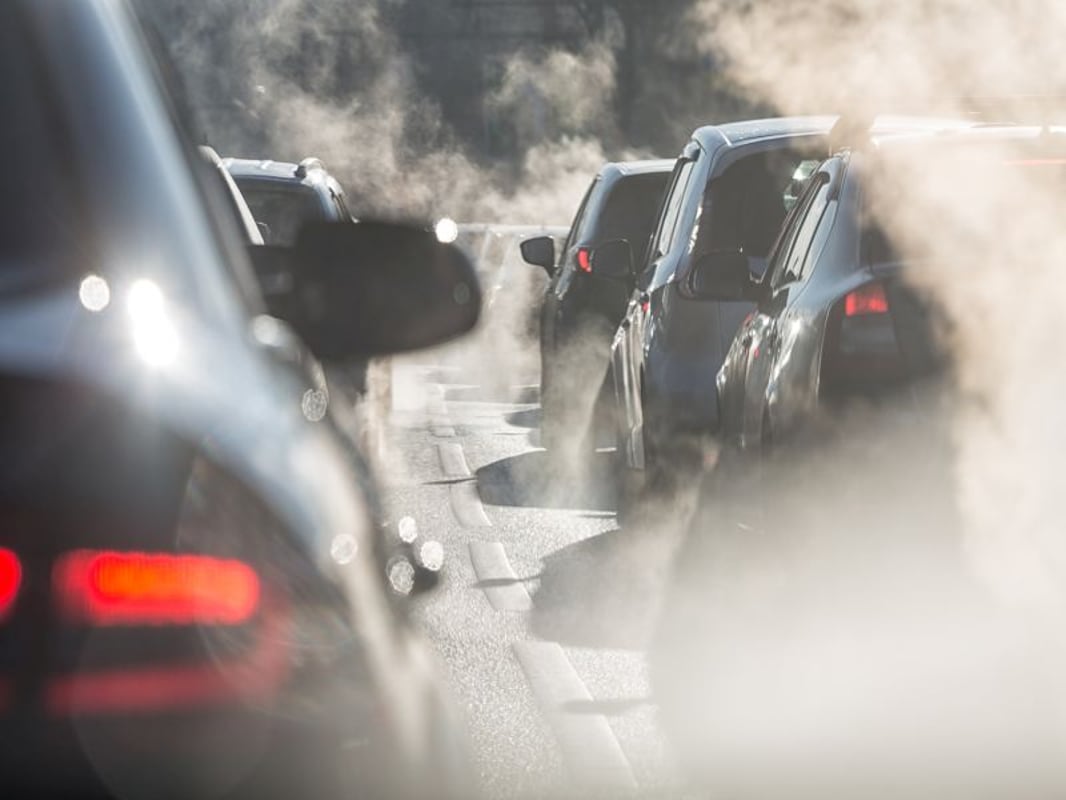
MONDAY, April 4, 2022 (HealthDay News) -- Almost no one in the world is breathing good air, according to a new World Health Organization report, which issued a call for reducing the use of fossil fuels.
Air quality is the worst in WHO's Eastern Mediterranean and Southeast Asia regions, but 99% of the global population breathes air that exceeds air quality limits and contains disease-causing particles. Air quality is also especially poor in Africa.
"After surviving a pandemic, it is unacceptable to still have 7 million preventable deaths and countless preventable lost years of good health due to air pollution," said Dr. Maria Neira, head of WHO's Department of Environment, Climate Change and Health.
"Yet too many investments are still being sunk into a polluted environment, rather than in clean, healthy air," Neira said in a news release from the United Nations health agency.
Dangerous particles in the air can penetrate deep into the lungs and enter the veins and arteries, causing disease. These particulates come from transportation, power plants, agriculture, waste burning, industry and natural sources such as desert dust.
The WHO database included PM2.5, PM10 (particle matter 2.5 and 10 micrometers small) and now ground measurements of nitrogen dioxide, the latter of which is generated through burning of fuel and is common in urban areas. WHO found the highest concentrations in the eastern Mediterranean region.
Nitrogen dioxide exposure can contribute to asthma and cause symptoms including coughing, difficulty breathing and wheezing.
"Particulate matter, especially PM2.5, is capable of penetrating deep into the lungs and entering the bloodstream, causing cardiovascular, cerebrovascular [stroke] and respiratory impacts," WHO said. "There is emerging evidence that particulate matter impacts other organs and causes other diseases as well."
Major change is needed to curb air pollution, Anumita Roychowdhury, an air pollution expert at Centre for Science and Environment, a research and advocacy organization in New Delhi, told the Associated Press.
That would include a shift away from fossil fuels, massive scaling up of green energy, separating types of waste and using electric vehicles, she said.
In India, more than 60% of PM2.5 loads are from households and industries. Tanushree Ganguly, who heads the program on air quality for the Council on Energy, Environment and Water, a New Delhi think tank, cited the need for action on reducing emissions from industries, automobiles, biomass burning and domestic energy.
"We need to prioritize clean energy access for households that need it the most and take active measures to clean up our industrial sector," Ganguly told the AP.
More information
The U.S. Environmental Protection Agency has more on air pollution.
SOURCES: WHO, news release, April 4, 2022; Associated Press
Related Posts
Nearly One in 10 U.S. Teens, Adults Had Past-Year Depression
THURSDAY, Sept. 22, 2022 (HealthDay News) -- From 2015 to 2019, there were...
Nurse Staffing Gaps Seen in Hospitals With Most Vulnerable Maternity Patients
THURSDAY, April 6, 2023 (HealthDay News) -- Nurse staffing inconsistent with...
Joint Statement Issued for Metabolic and Bariatric Surgery
FRIDAY, Oct. 28, 2022 (HealthDay News) -- Metabolic and bariatric surgery (MBS)...
1999 to 2021 Saw 50-Fold Increase in Methamphetamine Mortality
MONDAY, Feb. 27, 2023 (HealthDay News) -- Methamphetamine-related mortality...