
251 Cases of Soft Tick Relapsing Fever Reported in 2012 to 2021
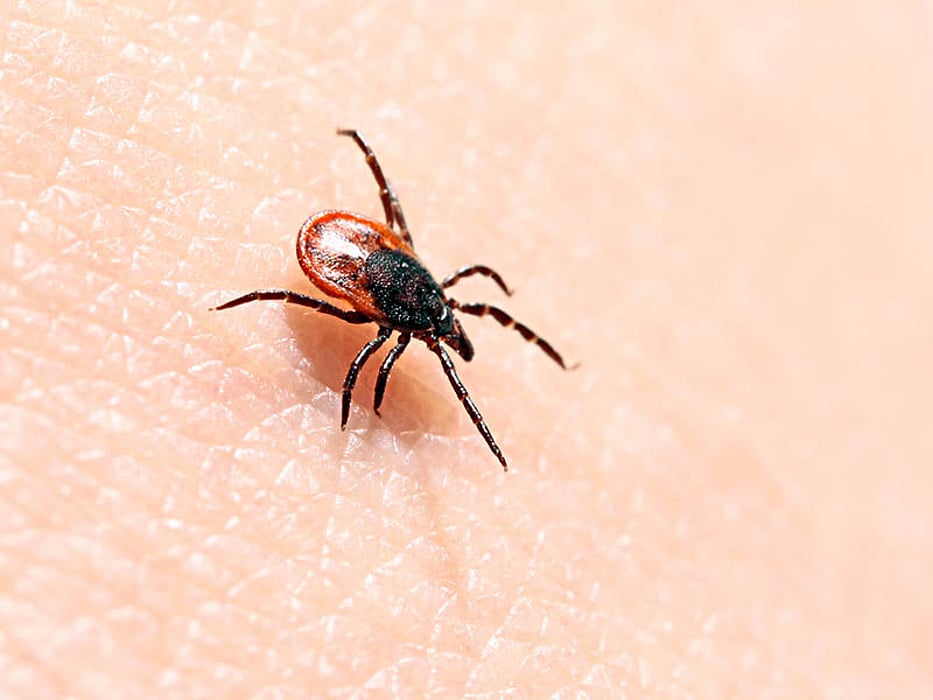
THURSDAY, July 20, 2023 (HealthDay News) -- During 2012 to 2021, 251 cases of soft tick relapsing fever (STRF), caused by certain Borrelia spirochetes and transmitted to humans by soft-bodied Ornithodoros ticks, were reported in 11 states, according to research published in the July 21 issue of the U.S. Centers for Disease Control and Prevention Morbidity and Mortality Weekly Report.
Amy M. Beeson, M.D., from the CDC in Atlanta, and colleagues summarized demographic and clinical information for STRF cases reported during 2012 to 2021.
The researchers identified 251 cases in 11 states during the study period, with a median annual case count of 24. During the study period, there was no significant change in the number of cases observed. Overall, 55 percent of the patients with STRF were hospitalized, but there were no fatalities. Since the 1990s, the geographic distribution and seasonal pattern of STRF have remained relatively constant. In areas where STRF is endemic, persons should avoid rodent-infested structures and habitats, such as caves.
"To reduce STRF incidence in the United States, progress in surveillance, prevention, and disease recognition is needed," the authors write. "Residents and visitors to areas where STRF is endemic should be educated about how to prevent soft tick bites (most importantly, avoidance of rodent-infested structures and rodent habitats such as caves) and when to seek medical care."
Related Posts
Team Care With Clinical Decision Support System Beneficial for T2DM Patients
TUESDAY, Dec. 6, 2022 (HealthDay News) -- For patients with uncontrolled type 2...
AHA News: How the Food Culture of Puerto Rico Shaped This Nutrition Expert
THURSDAY, April 6, 2023 (American Heart Association News) -- Long before she was...
Participation in Cardiac Rehabilitation Is Low Overall
TUESDAY, June 28, 2022 (HealthDay News) -- Participation in cardiac...
AHA News: Doing These 8 Things May Greatly Lower Risk For Heart Disease and Stroke
THURSDAY, March 2, 2023 (American Heart Association News) -- People who strongly...