β-Blockers Seem Not to Reduce Risks More Than One Year After Heart Attack
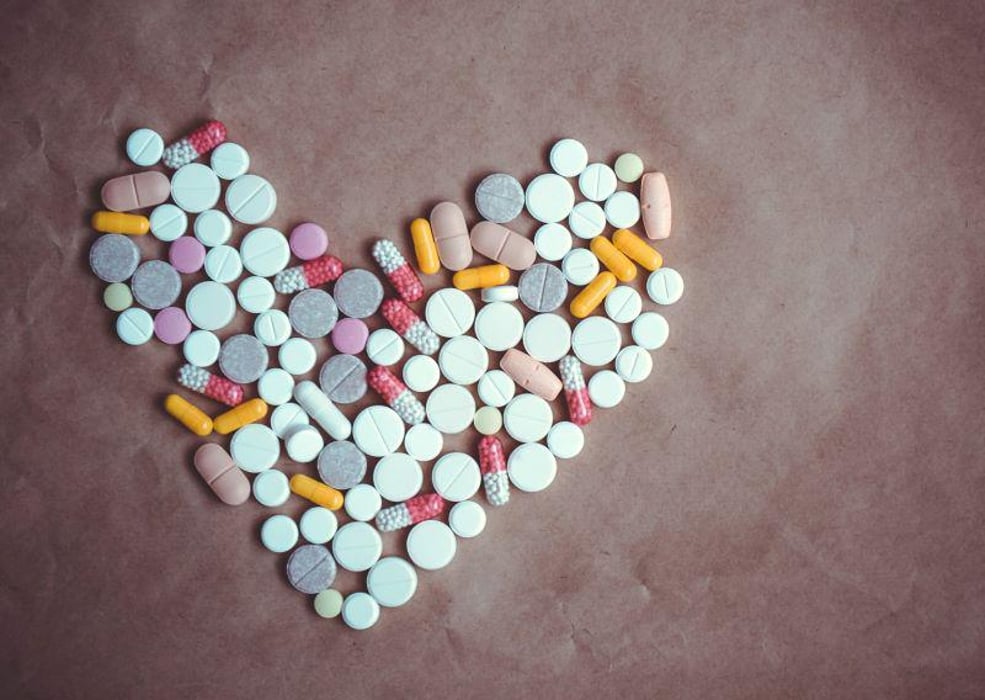
WEDNESDAY, May 3, 2023 (HealthDay News) -- For patients with myocardial infarction (MI), beta-blocker (βB) treatment beyond one year after MI does not appear to reduce the risk for mortality or further MI, according to a study published online May 2 in Heart.
Divan Ishak, M.D., from Uppsala University in Sweden, and colleagues conducted a nationwide cohort study involving 43,618 patients with MI between 2005 and 2016. Follow-up began one year after hospitalization (index date). Patients were categorized into two groups according to βB treatment; 78.5 and 21.5 percent of patients received βB treatment and did not receive βB treatment, respectively, at the index date.
The researchers found that the unadjusted rate of primary outcome (composite of all-cause mortality, MI, unscheduled revascularization, and hospitalization for heart failure) was lower among those who received versus those who did not receive βB treatment (3.8 versus 4.9 events per 100 person years; hazard ratio, 0.76; 95 percent confidence interval, 0.73 to 1.04). The risk for the primary outcome was not different according to βB treatment after inverse propensity score weighting and multivariable adjustment (hazard ratio, 0.99; 95 percent confidence interval, 0.93 to 1.04). When censoring for βB discontinuation or treatment switch during follow-up, findings were similar.
"Long-term βB therapy was not associated with improved cardiovascular outcomes during median follow-up of 4.5 years," the authors write. "These findings were consistent across individual secondary end points and across patient subgroups."
Several authors disclosed financial ties to the pharmaceutical industry.
Related Posts
Meta-Analysis: Smoking Linked to Increased Fracture Risk for Men
TUESDAY, June 14, 2022 (HealthDay News) -- For men, smoking is associated with...
After Another Senseless Tragedy, Study Shows Guns Now Leading Killer of U.S. Youth
FRIDAY, May 27, 2022 (HealthDay News) -- Days after the second-deadliest...
Youngest Kids in Class More Likely to Get Prescribed ADHD Meds
FRIDAY, Dec. 16, 2022 (HealthDay News) -- Kids who are the youngest in their...
Clinically Relevant Benefits Seen for GLP-1RA, SGLTi Treatment of T1DM
THURSDAY, March 2, 2023 (HealthDay News) -- Glucagon-like peptide-1 receptor...