
Almost Three in 10 U.S. Adults Report Trouble Sleeping
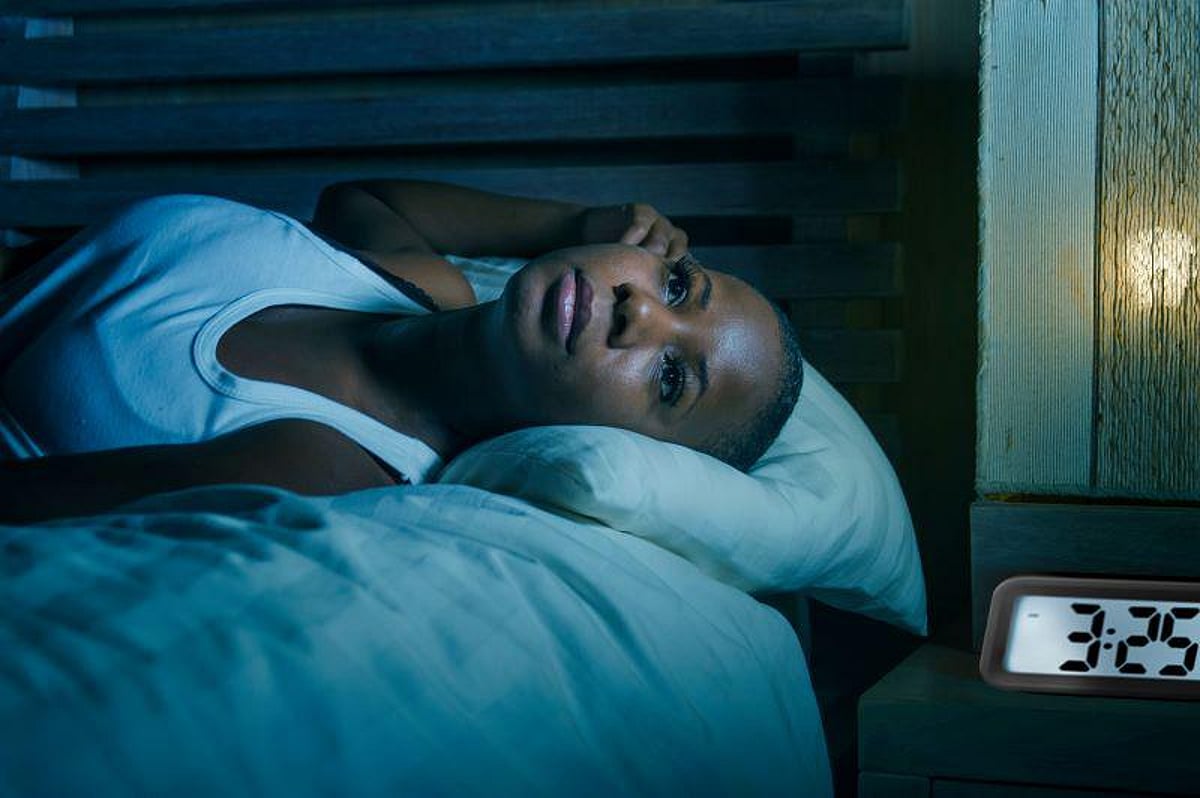
MONDAY, Nov. 14, 2022 (HealthDay News) -- U.S. adults show variability in sleep habits between workdays and free days, according to a study published online Nov. 8 in JAMA Network Open.
Hongkun Di, M.D., from Huazhong University of Science and Technology in Wuhan, China, and colleagues examined sleep habits and the prevalence of sleep disturbances among U.S. adults (aged 20 years and older) participating in the National Health and Nutrition Examination Survey (2017 to 2020).
The researchers found that the mean sleep duration was 7.59 hours on workdays and 8.24 hours on free days. On workdays, the mean sleep and wake times were 11:02 p.m. and 6:41 a.m. versus 11:25 p.m. and 7:41 a.m., respectively, on free days. Almost one-quarter of adults (23.1 percent) slept less than seven hours on workdays and 25.4 percent went to sleep at midnight or later, with the corresponding percentages changing to 12.9 and 40.9 percent, respectively, on free days. The prevalence of adults with trouble sleeping was 29.8 percent, while 27.2 percent had daytime sleepiness.
"High percentages of U.S. adults experienced long-term sleep deprivation, chronic social jet lag, and frequent sleep disturbances," the authors write. "These findings provide evidence to further investigate potential approaches to optimize overall U.S. sleep health."
Related Posts
AHA News: Genes, Neighborhoods and a Surprising Finding on Stroke Risk
FRIDAY, Feb. 3, 2023 (American Heart Association News) -- A genetic score may be...
Mind-Body Effects of Qigong Might Help Ease Cancer-Related Fatigue
WEDNESDAY, May 31, 2023 (HealthDay News) -- When the late Brown University...
What Does ‘Long COVID’ Look Like in Kids?
MONDAY, Dec. 13, 2021 (HealthDay News) -- Long COVID can be tough to diagnose in...