
Immune System T-Cells Can Still Fight COVID Variants, But for How Long?
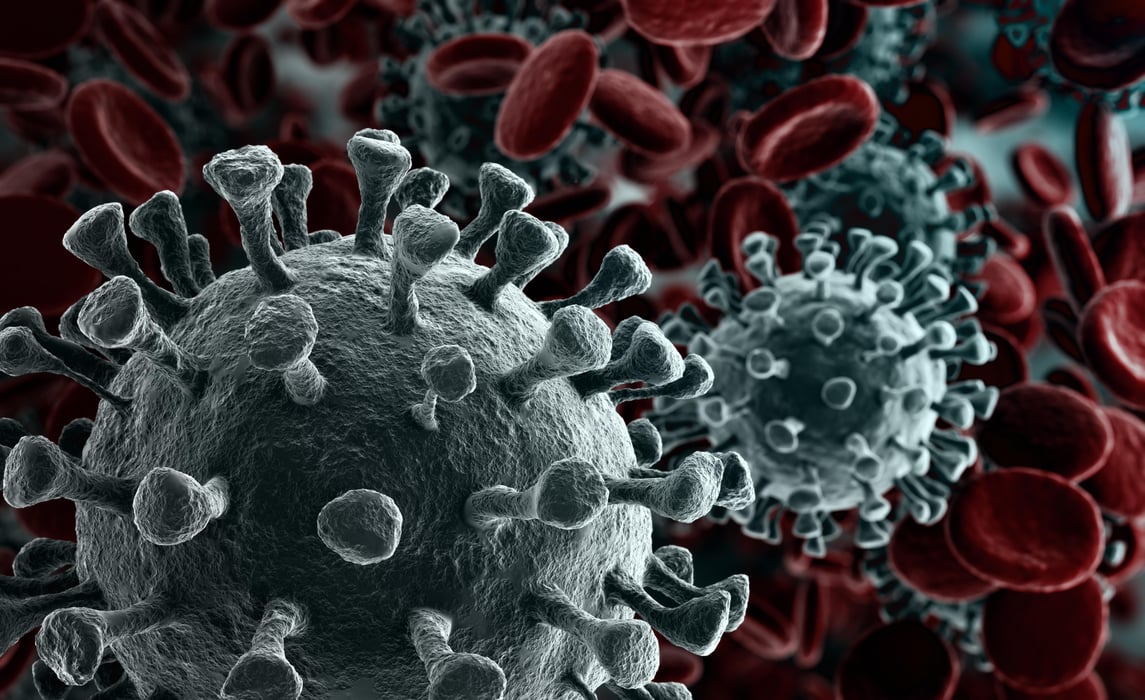
MONDAY, Dec. 5, 2022 (HealthDay News) -- While people's immune system T-cells can still target the spike proteins of the COVID coronavirus, their power to do so is waning over time, researchers report.
As the virus continues to mutate, T-cell recognition of newer variants may be lost, the researchers cautioned. That could lead to decreasing overall protection by the immune system.
Despite the fact that T-cells were still able to recognize parts of the spike protein, called epitopes, including those in the omicron variant, recognition was worse in seven of 10 epitopes that were mutated in different variants, the study found.
"Our paper shows that although most people have a diverse T-cell response against the virus, some responses are less effective against omicron. As further variants of concern are identified we will need to consider carefully how new viral mutations affect T-cell recognition," said lead study author Heather Long, an associate professor in the Institute of Immunology and Immunotherapy at the University of Birmingham in England.
"The vaccines currently in use are still vital to protect us from COVID-19," Graham Taylor, an associate professor in the institute, added in a university news release. "Should SARS-CoV-2 continue to mutate to evade the immune system, our findings will help researchers to develop new vaccines better suited to those variants."
As part of the study, researchers tested CD4+ T-cells collected early in the pandemic from health care workers who were infected with COVID-19.
The findings were published Dec. 1 in Nature Immunology. The study was funded by the National Institute for Health and Care Research, the research partner of the National Health Service in the United Kingdom.
More information
The U.S. Centers for Disease Control and Prevention has more on COVID-19.
SOURCE: University of Birmingham, news release, Dec. 1, 2022
Related Posts
Number of Teeth, Periodontitis in Older Adults Linked to Hippocampal Atrophy
THURSDAY, July 6, 2023 (HealthDay News) -- For older adults, there is an...
Delivery at 39 Weeks May Be Best for Pregnancies Conceived Via Infertility Treatment
WEDNESDAY, Aug. 16, 2023 (HealthDay News) -- In pregnancies conceived with...
Good News, Bad News on Black Americans and Cancer
THURSDAY, May 19, 2022 (HealthDay News) -- A new report on how Black Americans...
Medicaid Expansion Tied to Greater Use of Cancer-Related Palliative Care
MONDAY, July 10, 2023 (HealthDay News) -- Medicaid expansion is associated with...