
Glycated Hemoglobin Lower With Continuous Glucose Monitoring in T1DM
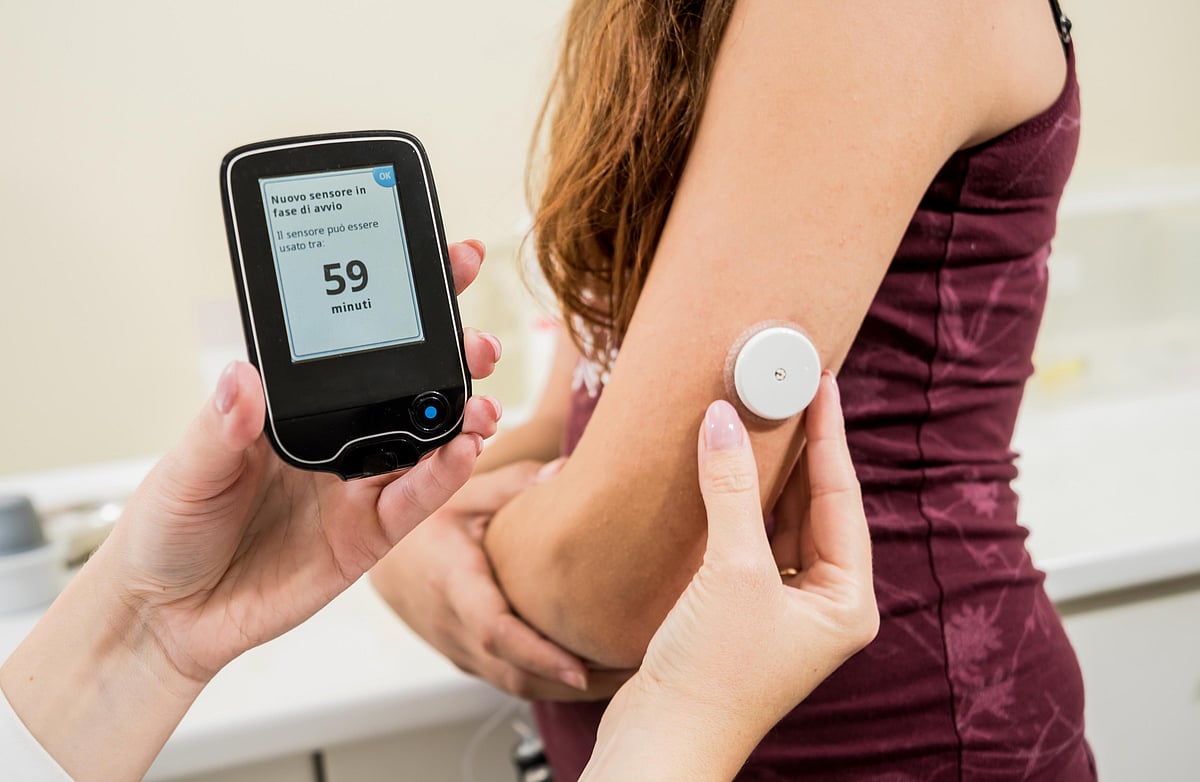
MONDAY, Oct. 17, 2022 (HealthDay News) -- Use of intermittently scanned continuous glucose monitoring with optional alarms for high and low blood glucose levels results in significantly lower glycated hemoglobin levels compared with fingerstick testing among participants with type 1 diabetes and high glycated hemoglobin levels, according to a study published online Oct. 5 in the New England Journal of Medicine.
Lalantha Leelarathna, Ph.D., from Manchester University NHS Foundation Trust in the United Kingdom, and colleagues conducted a multicenter, randomized controlled trial involving participants with type 1 diabetes and glycated hemoglobin levels between 7.5 and 11.0 percent to examine the efficacy of intermittently scanned continuous glucose monitoring versus participant monitoring of blood glucose levels with fingerstick testing. One hundred fifty-six participants were randomly assigned to the intervention or fingerstick testing (78 and 78 participants, respectively).
The researchers found that the mean baseline glycated hemoglobin level was 8.7 ± 0.9 and 8.5 ± 0.8 in the intervention and usual-care groups, respectively, and the levels decreased to 7.9 ± 0.8 and 8.3 ± 0.9 percent, respectively, at 24 weeks (adjusted mean between-group difference, −0.5 percentage points). Compared with the usual-care group, in the intervention group, the time per day that the glucose level was in the target range was 9.0 percentage points higher or 130 minutes longer; furthermore, in the intervention group, time spent in a hypoglycemic state was 3.0 percentage points lower or 43 minutes shorter.
"The benefit with respect to glycated hemoglobin levels was robust in a range of sensitivity analyses, including imputations under plausible missing-at-random and missing-not-at-random assumptions," the authors write.
Several authors disclosed financial ties to the pharmaceutical and medical device industries.
Abstract/Full Text (subscription or payment may be required)
Related Posts
Health Highlights: March 22, 2022
Medical marijuana may help many avoid opioids. For those suffering from chronic...
Fecal Microbiota Transplantation Aids Resolution of Recurrent C. Difficile
TUESDAY, May 16, 2023 (HealthDay News) -- For immunocompetent adults with...
Fit When Young? You May Have a Lower Risk of 9 Cancers as You Age
WEDNESDAY, Aug. 16, 2023 (HealthDay News) -- Having good fitness while young can...
Heart Failure Mortality Lower With Healthier Food Environment
TUESDAY, Oct. 25, 2022 (HealthDay News) -- A healthier food environment is...