
Coronavirus Infects Genitals in Male Monkeys
THURSDAY, March 3, 2022 (HealthDay News) -- The coronavirus infects the genitals of male monkeys, claims a small study that may shed some light on symptoms such as erectile dysfunction that have been reported by some men with COVID-19.
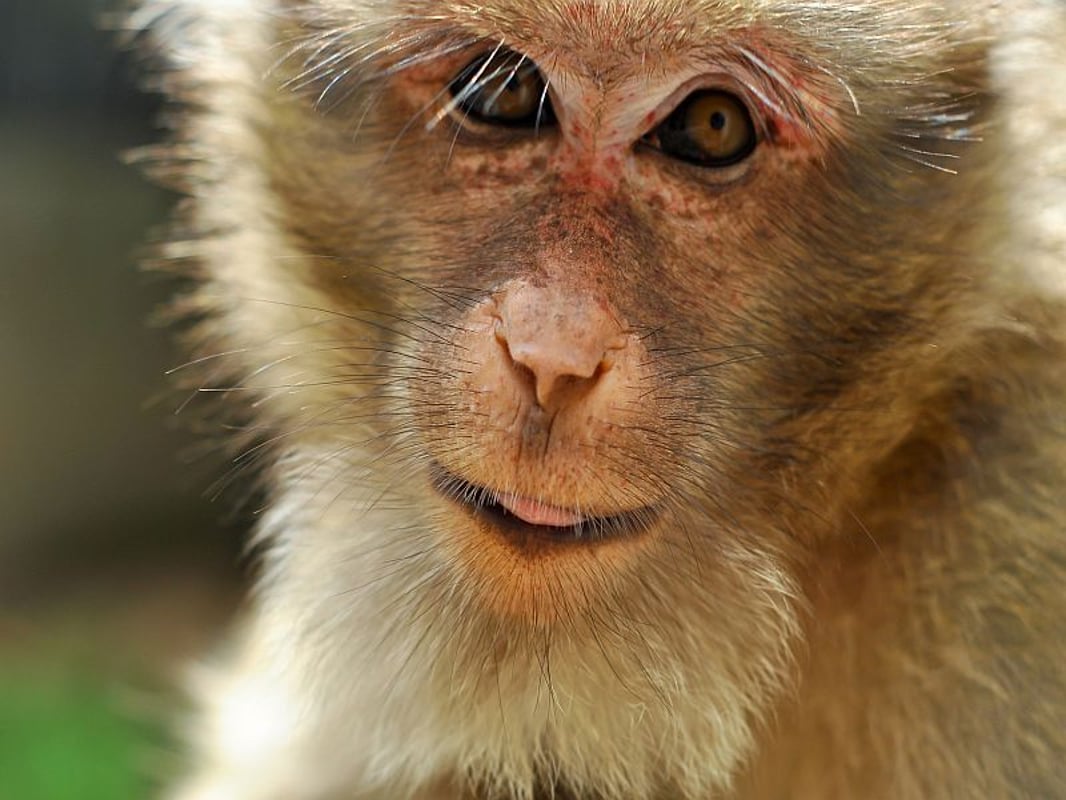
Special whole body scans were used to detect sites of coronavirus infection in three male rhesus macaques and those revealed that the virus had infected the prostate, penis, testicles and surrounding blood vessels, said researchers who were surprised by the discovery.
"We had no idea we would find it there," study senior author Thomas Hope, a professor of cell and developmental biology at Northwestern University Feinberg School of Medicine in Chicago, told The New York Times.
The study, conducted at the Tulane National Primate Research Center in Louisiana, was posted on the site bioRxiv and has not yet been peer-reviewed for publication in a journal.
While COVID-19 vaccination has not been shown to cause fertility issues, about 10% to 20% of men infected with the coronavirus have symptoms linked to male genital tract dysfunction, according to previous research.
Infected men are three to six times more likely than other men to develop erectile dysfunction, believed to be an indicator of what's known as long COVID, the Times said.
COVID-19 patients have also reported symptoms such as testicular pain, reduced sperm counts and reduced sperm quality, decreased fertility and hypogonadism, which is when the testes produce insufficient amounts of testosterone.
The latest findings suggest that erectile dysfunction and other genital symptoms reported by some men with COVID-19 may be caused directly by the virus, not by the inflammation or fever that often accompany the disease, according to the Times.
COVID-19 is not the only virus that can harm fertility, Hope noted.
"Mumps is most famous historically, for causing sterility," he told the Times. "The Zika virus goes to the testes and infects the testes, and Ebola can also do that."
More information
Visit the University of Georgia for more on COVID and fertility.
SOURCE: The New York Times
Related Posts
Una alimentación saludable también es buena para la salud del planeta
LUNES, 14 de noviembre de 2022 (HealthDay News) -- Las dietas de origen vegetal...
Negative COVID Test May Be Required After 5 Day’s Isolation Among Asymptomatic
MONDAY, Jan. 3, 2022 (HealthDay News) – Right now, Americans who have tested...
Current Monkeypox Outbreak Is Showing Different Symptoms
FRIDAY, July 29, 2022 (HealthDay News) -- The monkeypox illness now spreading...
New Way to Blast Kidney Stones Can Be Done in Doctor’s Office
THURSDAY, March 31, 2022 (HealthDay News) -- A noninvasive ultrasound technique...