Domiciliary Transcutaneous Electrical Stimulation Safe, Effective for Sleep Apnea
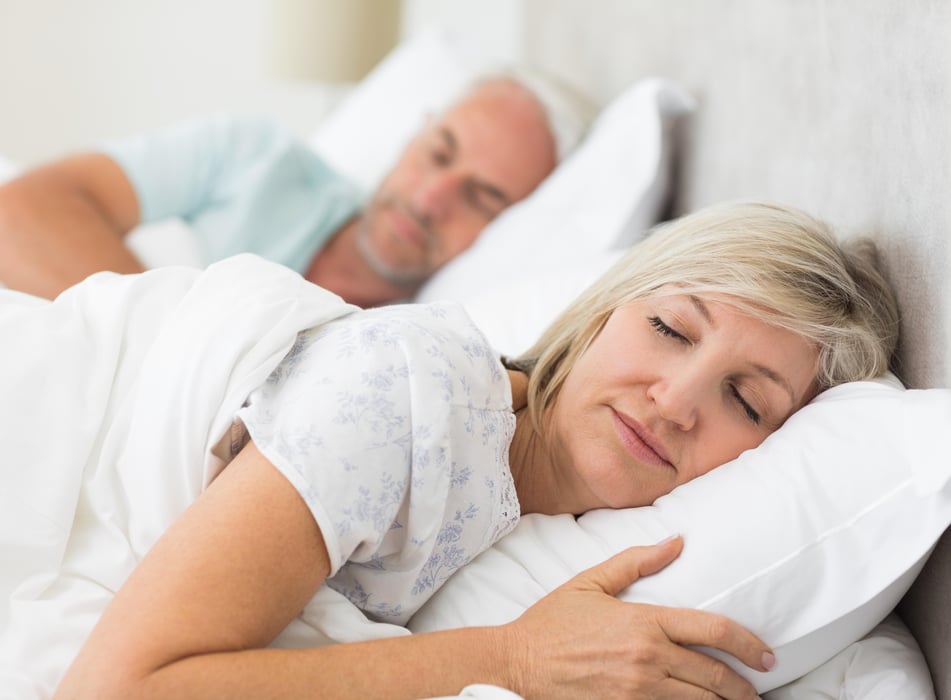
FRIDAY, Aug. 18, 2023 (HealthDay News) -- For patients with obstructive sleep apnea (OSA), domiciliary transcutaneous electrical stimulation (TESLA) can be used safely and effectively, according to a study published online Aug. 3 in eClinicalMedicine.
Deeban Ratneswaran, M.B.B.S., from King's College London, and colleagues conducted a single-center, randomized, phase 3 trial involving patients with OSA, body mass index of 18.5 to 32 kg/m2, and documented lack of adherence to continuous positive airway pressure (CPAP) therapy. Patients were randomly assigned to receive TESLA or usual care (CPAP) for at least three months (29 and 27, respectively). Change in apnea-hypopnea index (AHI) at three months was measured as the primary outcome.
The researchers found that in an unadjusted analysis, the group difference in the ΔAHI was −11.5 h−1. The difference was ΔAHI −7.0 h−1 in favor of the intervention after adjustment for the baseline value. One participant developed mild headaches related to the intervention.
"Domiciliary TESLA of the submental area is a feasible, safe and effective treatment for patients with OSA who do not tolerate CPAP in the long term, and provides a potential second line alternative treatment for patients to improve pathophysiology and control symptoms," the authors write.
One author is the named inventor on a patent for an "apparatus for treatment of snoring and sleep apnea"; a second author disclosed ties to Phillips Respironics.
Related Posts
CDC Lifts Warning on Cruise Ship Travel
THURSDAY, March 31, 2022 (HealthDay News) -- A two-year advisory that warned...
Extra Weight in Midlife Has Later Health, Cost Effects
TUESDAY, March 22, 2022 (HealthDay News) -- Being overweight in midlife is...
Binge-Watching Could Raise Your Blood Clot Risk
THURSDAY, Jan. 20, 2022 (HealthDay News) -- Who hasn't started to watch a new...
Los casos de ómicron superan al máximo de la delta en EE. UU., pero con menos hospitalizaciones
LUNES, 27 de diciembre de 2021 (HealthDay News) -- La COVID-19 vuelve a...