
Mediterranean Diet Tied to Fewer Adverse Pregnancy Outcomes
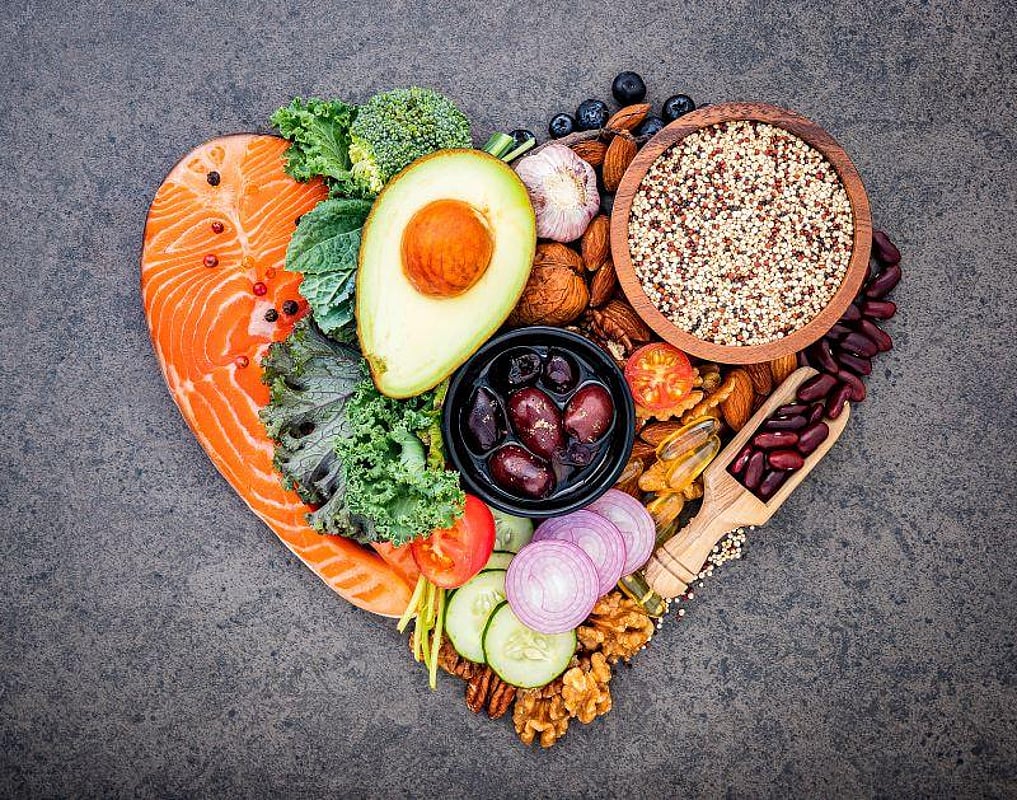
THURSDAY, Dec. 29, 2022 (HealthDay News) -- Adherence to a Mediterranean diet is associated with a lower risk for adverse pregnancy outcomes (APOs), according to a study published online Dec. 22 in JAMA Network Open.
Nour Makarem, Ph.D., from Columbia University in New York City, and colleagues assessed whether adherence to a Mediterranean diet pattern around the time of conception is associated with a lower risk for developing any APO. The analysis included 7,798 racially, ethnically, and geographically diverse women with singleton pregnancies who had complete diet data.
The researchers found that the prevalence of high, moderate, and low concordance to a Mediterranean diet pattern around the time of conception was 30.6, 31.2, and 38.2 percent, respectively. A high versus a low Alternate Mediterranean Diet score was associated with lower odds of any APO (adjusted odds ratio [aOR], 0.79), as well as, specifically, lower odds of preeclampsia or eclampsia (aOR, 0.72) and gestational diabetes (aOR, 0.63). Findings were similar by race, ethnicity, and prepregnancy body mass index. However, associations were stronger among women aged 35 years or older (aOR, 0.54).
"Intervention studies are needed to assess whether dietary modification around the time of conception can reduce risk of APOs and their downstream associations with future development of cardiovascular disease risk factors and overt disease," the authors write.
Two authors disclosed financial ties to the pharmaceutical industry.
Related Posts
Four Factors in Midlife Predict a Healthy Old Age for Women
TUESDAY, Jan. 11, 2022 (HealthDay News) -- Examining a woman's health in midlife...
AHA News: Health Advice For Women at Each Stage of Motherhood
THURSDAY, May 11, 2023 (American Heart Association News) -- Everyone knows that...
Incidence of Type 1, Type 2 Diabetes Increasing in People Younger Than 20
FRIDAY, March 31, 2023 (HealthDay News) -- The incidence of type 1 and type 2...
COVID Vaccine Won’t Cause Rare Neuro Events, But COVID Infection Could
THURSDAY, March 17, 2022 (HealthDay News) -- In a finding that reinforces the...