
Pediatric Populations Less Likely to Get Long COVID
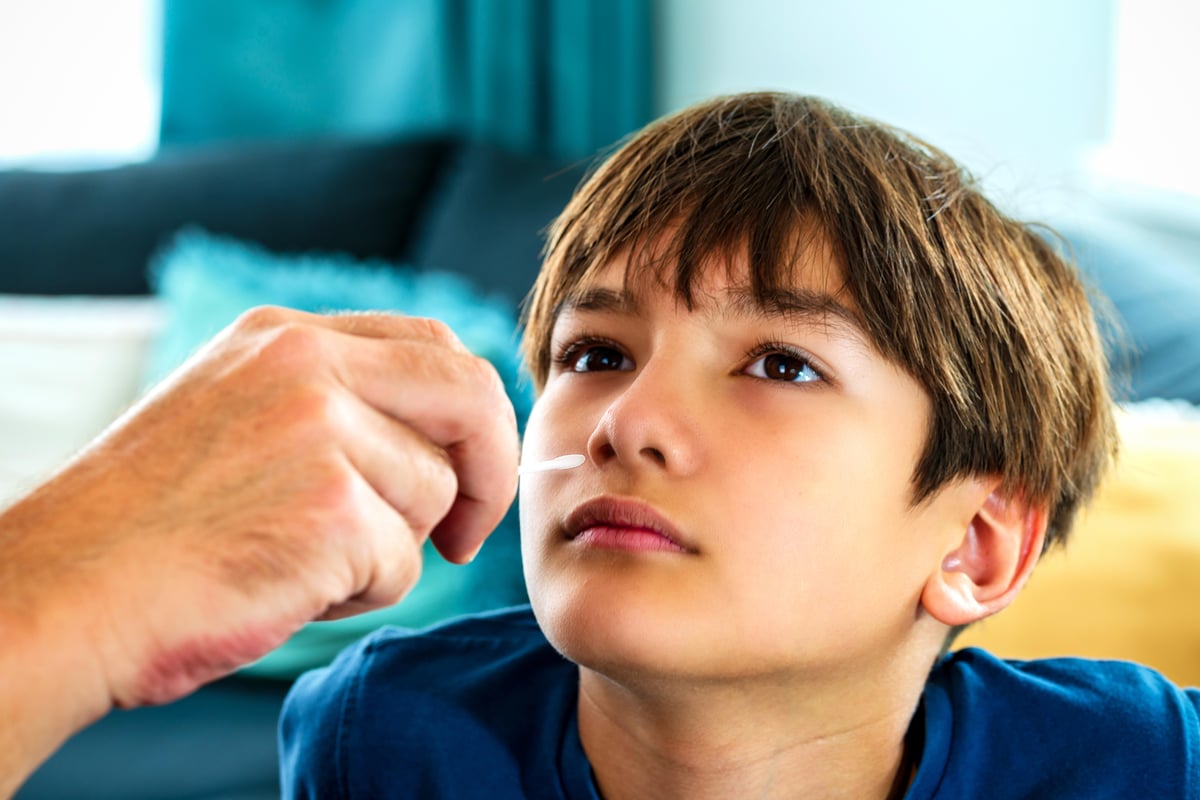
THURSDAY, Aug. 18, 2022 (HealthDay News) -- Children and adolescents are less likely to experience persistent COVID-19 symptoms than adults, according to a study published online Aug. 1 in the Pediatric Infectious Disease Journal.
Sarah E. Messiah, Ph.D., M.P.H., from The University of Texas Health Science Center at Houston, and colleagues examined the presence of persistent COVID-19 symptoms in children by severe acute respiratory syndrome coronavirus 2 (SARS-CoV-2) antibody status.
The researchers found that 4.5 percent of the total sample (1,813) reported persistent COVID-19 symptoms (27 at four to 12 weeks and 58 at >12 weeks), with 8.0 percent infected pre-delta variant and 3.4 percent in the delta period and beyond. When compared with adults, pediatric age groups had a lower risk for persistent COVID-19 symptoms regardless of length of symptoms reported. Severe symptoms with initial infection, not being vaccinated, and having an unhealthy weight (body mass index ≥85th percentile for age and sex) were associated with an increased risk for persistent COVID-19 symptoms >12 weeks.
"There may be a perception that one needs to be hospitalized to have long COVID, and that is not what we found," Messiah said in a statement. "I encourage parents to still take caution and get their child vaccinated against COVID-19, because we now know that it will decrease the risk of infection and long COVID."
Related Posts
Sleep Disorders in Children and Parents Increase Parental Stress
FRIDAY, Jan. 27, 2023 (HealthDay News) -- Stress is higher among adults with...
Depression During Menopause: How to Spot It and Treat It
MONDAY, Sept. 20, 2021 (HealthDay News) -- Emotional changes in the run-up to...
Many Cancer Patients Face Mounting Bills Despite Having Insurance
TUESDAY, Jan. 4, 2022 (HealthDay News) -- Many insured cancer patients still...
Most Post-Stroke Depression Still Goes Untreated
MONDAY, July 25, 2022 (HealthDay News) -- While depression is common after a...