Blood Test Marker Could Gauge Risks After Heart Surgery
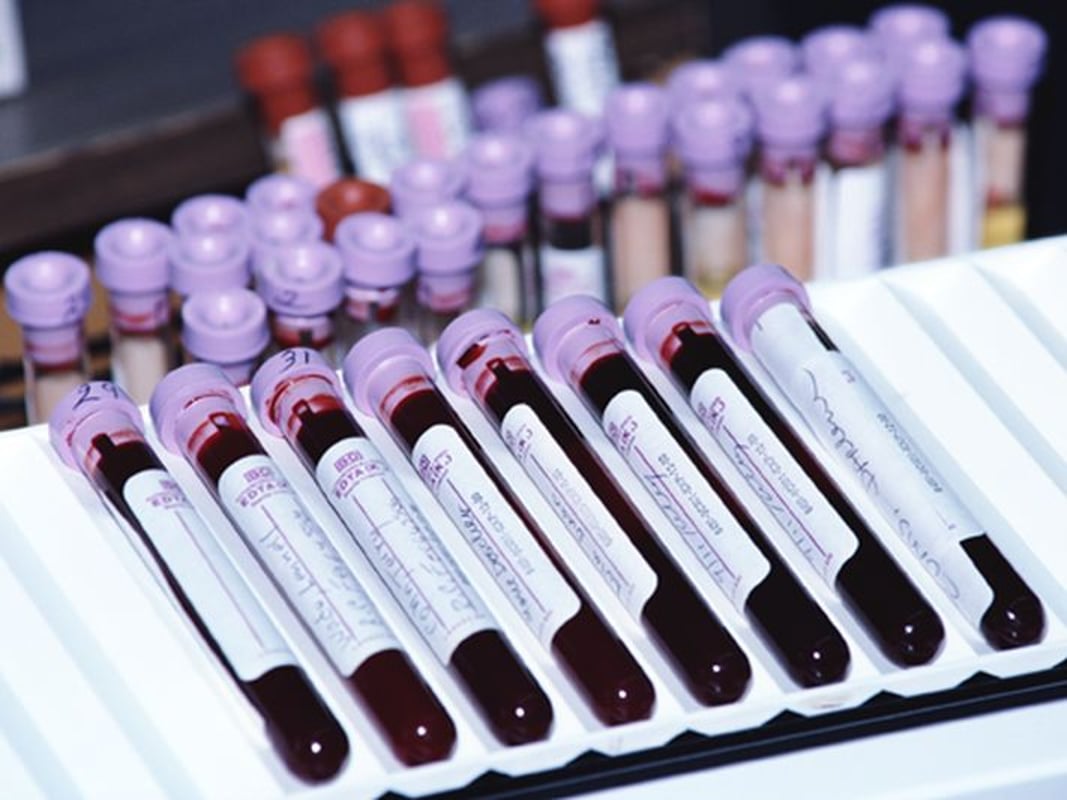
THURSDAY, March 3, 2022 (HealthDay News) -- About 2 million adults worldwide undergo heart surgery each year, and checking blood levels of a certain protein could help assess their risk of death within 30 days, a new study shows.
Blood tests to check levels of troponin (a type of protein found in heart muscle) have long been used to evaluate the risk of death and serious complications after heart attack, but the tests are not commonly done after heart surgery.
This new study found that elevated troponin levels were associated with an increased risk of death after heart bypass or open heart surgery.
"This study is a landmark for the health teams taking care of patients after cardiac surgery," said study co-author André Lamy, a professor of surgery at McMaster University in Canada.
"For the first time, we have a marker that is fast and reliable for the monitoring of these patients after cardiac surgery," Lamy said in a university news release.
This study included nearly 16,000 adult heart surgery patients, average age 63, in 12 countries. By 30 days after surgery, more than 2% of patients had died, and about 3% had experienced a major vascular complication, such as heart attack, stroke or a life-threatening blood clot.
The patients' troponin levels were measured before and daily for the first few days after surgery.
"We found that the levels of troponin associated with an increased risk of death within 30 days were substantially higher — 200 to 500 times the normal value — than troponin levels that surgical teams are currently told defines the risk of a patient having one of the most common complications after heart surgery — myocardial injury, a heart muscle injury associated with increased deaths," said lead study author P.J. Devereaux. He's a senior scientist at McMaster and a cardiologist at Hamilton Health Sciences.
The study was published March 2 in the New England Journal of Medicine.
More information
There's more on heart surgery at the U.S. National Heart, Lung, and Blood Institute.
SOURCE: McMaster University, news release, March 2, 2022
Related Posts
Brain Imaging May ID THC-Linked Impairment in Cannabis Users
FRIDAY, Jan. 21, 2022 (HealthDay News) -- Functional brain imaging may identify...
Steps to Long Life: Short Walk Each Day Helps Folks Over 85
THURSDAY, Aug. 25, 2022 (HealthDay News) -- It’s never too late to benefit from...
Health Highlights: Sept. 16, 2021
Here are some of HealthDay's top stories for Thursday, Sept. 16:NIH spending...
What’s in Your CBD Product? Labels Often Mislead
TUESDAY, July 26, 2022 (HealthDay News) -- Customers buying creams, patches or...